August 30-Minute Dinner Planning: Easy Late-Summer Meals for Busy Nights
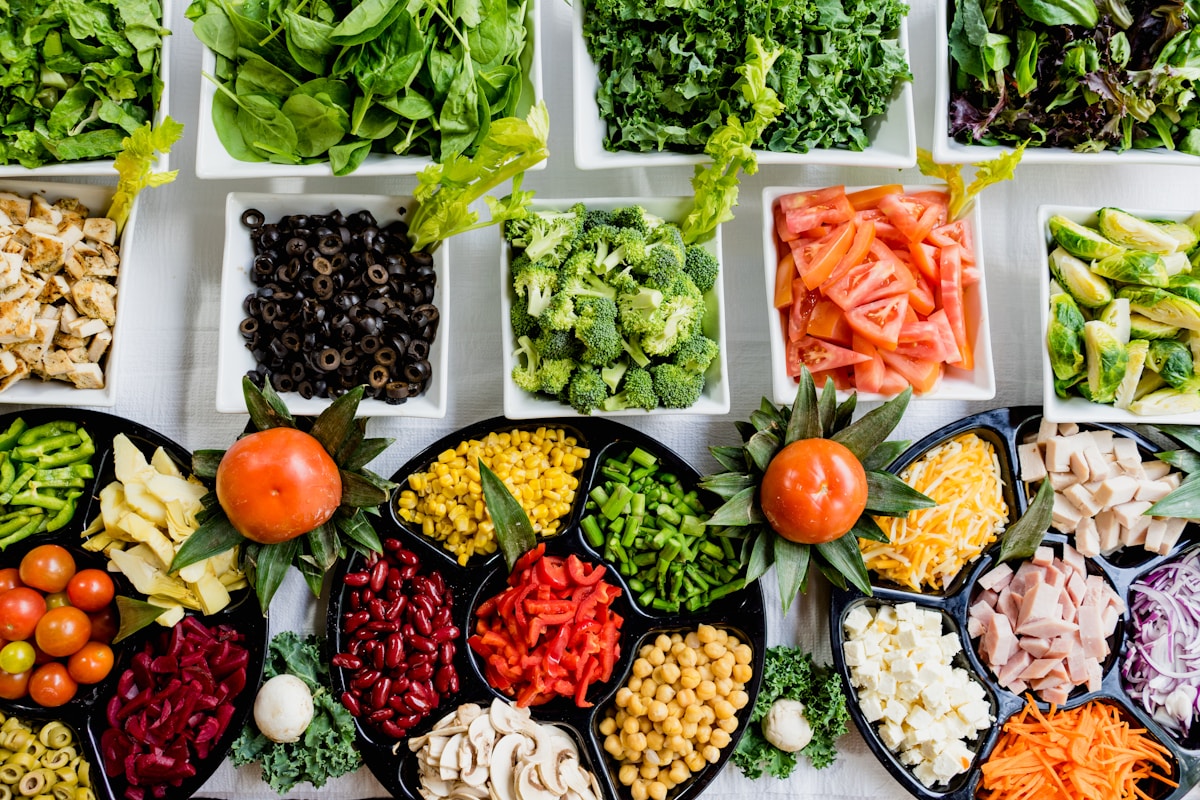
August dinner planning sits in a strange but useful place. Tomatoes, corn, courgettes, zucchini, peppers, peaches, herbs, and salad leaves are still at their best, but schedules often start to feel less relaxed. Holidays end, school routines creep closer, work picks up, and the question shifts from "What sounds summery?" to "What can I cook quickly without wasting what I bought?"
Recent recipe coverage is leaning into exactly that problem: 30-minute August dinners, three-step summer vegetable meals, and peak produce ideas built around tomatoes, corn, stone fruit, and quick proteins. The best answer is not a rigid meal plan. It is a set of repeatable formulas you can use with what is already in the fridge.
Build August Dinners Around Three Parts
A reliable 30-minute dinner needs a base, a vegetable or fruit, and a protein or filling ingredient. The base might be pasta, rice, couscous, noodles, tortillas, toast, potatoes, or salad leaves. The produce might be tomatoes, corn, courgettes, cucumbers, peppers, herbs, peaches, or greens. The protein can be eggs, beans, lentils, chickpeas, tofu, chicken, fish, prawns, turkey, cheese, yoghurt, or leftover roast meat.
Once those three parts are chosen, the rest is seasoning: pesto, chilli crisp, lemon, lime, salsa, yoghurt sauce, vinaigrette, soy sauce, curry paste, tomato sauce, or a simple garlic-and-oil finish.
Keep a Short List of Fast Bases
Choose bases that cook quickly or can be reheated. Couscous, quick-cook rice, noodles, fresh pasta, tortillas, toast, microwave potatoes, baked or jacket potatoes, and salad greens all make dinner easier. A potato can become a practical base if started in the microwave and finished in the oven or air fryer, while tortillas, rice bowls, and sheet-pan nacho-style dinners are equally flexible.
If you cook grains ahead, keep them plain. Plain rice, quinoa, bulgur, or couscous can move toward Mediterranean, Mexican-inspired, Indian-inspired, or simple herb-and-lemon meals depending on what you add later.
Use Late-Summer Produce Without Overthinking It
Tomatoes can become pasta sauce, toast topping, bean salad, salsa, or a quick skillet with eggs. Corn can go into fritters, rice bowls, tacos, salads, pasta, or chowder. Courgettes and zucchini can be sauteed hard, grated into fritters, folded into pasta, or added to omelettes. Peppers can be raw in wraps or cooked quickly with onions for fajita-style dinners.
Fruit can help too. Peaches, nectarines, and plums work in salads with cheese, grilled meats, lentils, or grains. A little sweetness can make a fast dinner feel more deliberate.
Plan Around Quick Proteins
Fast proteins are the difference between a side dish and dinner. Keep a few options ready: eggs, tinned tuna, cooked chicken, smoked fish, prawns, tofu, halloumi, cottage cheese, Greek yoghurt, beans, chickpeas, lentils, and frozen edamame. They do not all need to be cooked from scratch.
For example, tomatoes plus toast plus cottage cheese becomes dinner. Corn plus black beans plus rice becomes a bowl. Courgettes plus eggs plus herbs becomes a frittata. Pesto plus chickpeas plus pasta becomes a meal in the time it takes to boil water.
Make One Sauce Do Several Jobs
A good sauce can carry several meals through the week. Pesto, yoghurt-herb sauce, tahini lemon dressing, salsa, chimichurri, peanut sauce, or tomato vinaigrette can be spooned over bowls, wraps, pasta, eggs, vegetables, and proteins.
Do not make the sauce too specific. A lemony herb yoghurt can go with chicken, potatoes, chickpeas, or roasted vegetables. Pesto can coat pasta, beans, toast, eggs, or fish. Salsa can work in tacos, rice bowls, omelettes, or salads.
Five 30-Minute August Dinner Formulas
- Tomato toast dinner: toast, salted tomatoes, cottage cheese or ricotta, herbs, olive oil, and salad leaves.
- Corn and bean bowl: rice, corn, black beans, peppers, lime, salsa, and avocado or yoghurt.
- Pesto pasta plus protein: pasta, pesto, courgettes, chickpeas, chicken, prawns, or tofu.
- Egg skillet: tomatoes or greens, eggs, herbs, bread, and a little cheese.
- Late-summer wraps: tortillas, quick-cooked peppers or courgettes, beans or chicken, yoghurt sauce, and crunchy salad.
Use Leftovers Intentionally
August leftovers should be planned as components, not obligations. Extra corn becomes a lunch salad. Cooked courgettes go into eggs. Tomato sauce becomes a base for beans. Pesto turns into a sandwich spread. Beans become toast topping or soup.
Before shopping again, ask what needs using first. Soft tomatoes, opened herbs, cooked grains, half a tin of beans, or leftover chicken can guide the next meal better than a recipe search.
A Simple Weekly Setup
- Prep one sauce: pesto, salsa, yoghurt-herb sauce, or lemon dressing.
- Cook one base: rice, couscous, potatoes, or pasta.
- Wash one produce group: tomatoes, greens, herbs, or peppers.
- Choose two proteins: eggs and beans, chicken and yoghurt, tofu and edamame.
- Leave room: keep one night flexible for leftovers or a quick pantry meal.
Conclusion
August dinners do not need to be complicated. The season already gives you flavor: tomatoes, corn, courgettes, herbs, peaches, peppers, and greens. Your job is to pair that produce with quick bases, satisfying proteins, and sauces that make the meal feel complete.
With a few formulas ready, 30-minute dinners become much easier to repeat, adapt, and enjoy through the busy end of summer.