Back-to-School Lunch Prep: Safe, Flexible Packed Lunch Ideas for Busy Weeks
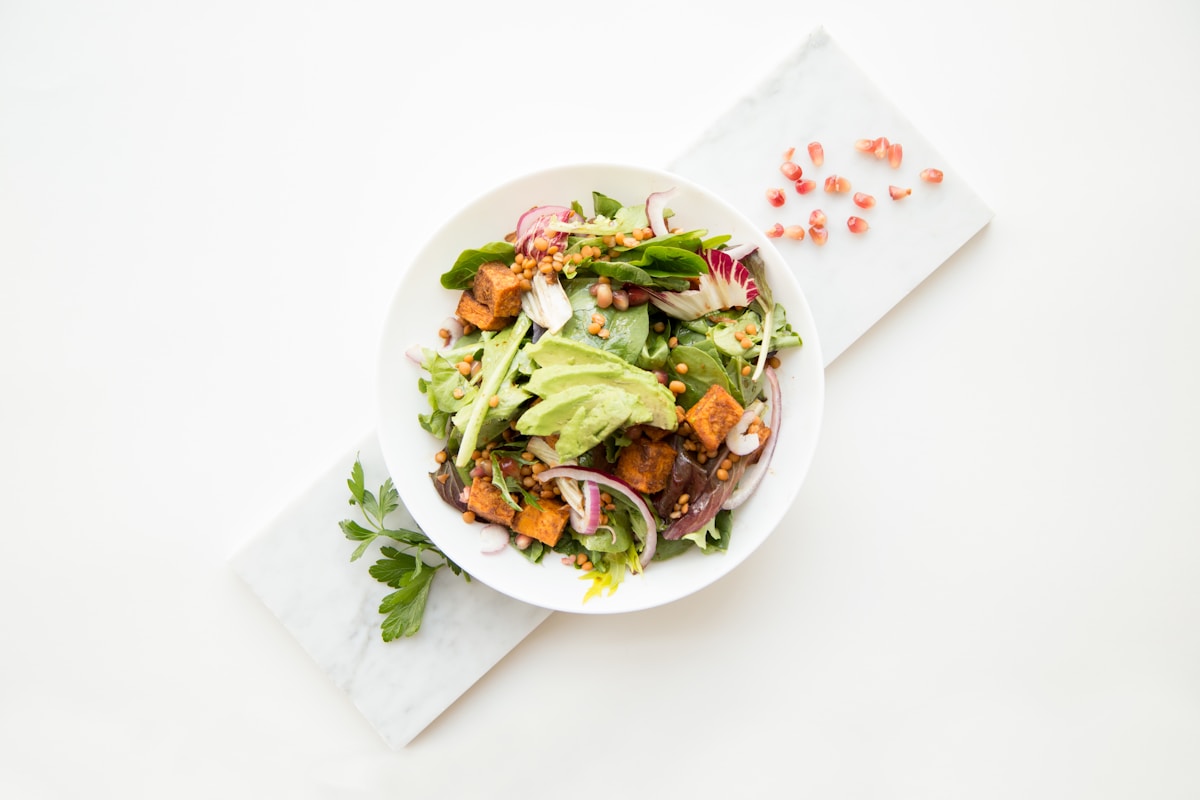
Back-to-school season can make lunch feel oddly complicated. You want something filling, safe to carry, affordable, and realistic to pack before everyone leaves the house. At the same time, late summer still brings tomatoes, cucumbers, corn, berries, stone fruit, peppers, herbs, and salad leaves that can make lunch feel fresh rather than repetitive.
Recent food coverage is leaning into make-ahead lunches, jarred salads, chickpea lunches, vegetarian protein bowls, and practical lunch bags. The useful pattern underneath all of those ideas is simple: build lunches from flexible components, keep textures separate when needed, and treat food safety as part of the plan rather than a last-minute worry.
Start With a Lunch Formula
A reliable packed lunch needs four parts: a satisfying base, a protein, produce, and something that makes it taste good. The base might be bread, wraps, rice, pasta, potatoes, couscous, noodles, crackers, salad leaves, or oats. Protein can come from eggs, chicken, tuna, beans, chickpeas, lentils, tofu, cheese, yoghurt, hummus, turkey, smoked fish, or leftover roast meat.
For produce, think beyond lettuce. Cucumbers, tomatoes, peppers, carrots, corn, apples, grapes, berries, peaches, plums, and steamed vegetables all work well. The flavor piece can be pesto, salsa, yoghurt-herb sauce, vinaigrette, hummus, tahini dressing, chilli crisp, mustard, pickles, or a small pot of dip.
Use Make-Ahead Components, Not Identical Lunches
Meal prep often fails when every container is exactly the same. A better approach is to prep a few components that can become different lunches. Cook a grain or pasta, wash and chop sturdy vegetables, prepare one sauce, and choose two proteins. Then assemble combinations through the week.
Rice, chickpeas, cucumbers, peppers, and yoghurt sauce can become a bowl on Monday, a wrap on Tuesday, and a snack plate on Wednesday. Pasta, tomatoes, pesto, and chicken can be eaten cold as a pasta salad or packed as separate pieces for a child who dislikes mixed foods.
Pack for Texture
Good lunch prep is not only about nutrition. It is also about whether the food still tastes appealing hours later. Keep crunchy foods away from wet dressings until lunchtime. Put sauce in a small container, layer mason jar salads with dressing at the bottom and greens at the top, and pack crackers separately from tuna, hummus, or egg salad.
For sandwiches and wraps, use a moisture barrier. Cheese, lettuce, hummus, butter, pesto, or cream cheese can help protect bread from juicy tomatoes or cucumber. If a lunch contains very wet ingredients, consider packing them as a bowl instead of forcing them into bread.
Keep Food Safety Simple
For perishable foods such as meat, poultry, fish, eggs, dairy, cooked grains, cut fruit, and cut vegetables, temperature matters. USDA and FoodSafety.gov guidance describes the food safety "danger zone" as 40°F to 140°F, or about 4°C to 60°C. Cold foods should be kept at or below 40°F/4°C, and hot foods should stay at or above 140°F/60°C.
For cold packed lunches, use an insulated lunch bag with two cold sources, such as freezer packs or a frozen drink bottle. If there is a refrigerator at school or work, use it. For hot soups, chilli, stew, or rice dishes, preheat an insulated food jar with boiling water, empty it, then add piping hot food and keep it closed until lunch.
As a practical rule, do not leave perishable food out for more than two hours. In very hot weather, that window is shorter. When in doubt, choose shelf-stable items or pack enough cold sources to keep the meal properly chilled.
Build Balanced Lunches Without Making Them Fussy
A balanced lunch does not need to look like a perfect bento box. Aim for protein, fiber-rich carbohydrates, produce, and a little fat or sauce. Examples include tuna and sweetcorn pasta salad; hummus, cucumber, peppers, and pita; egg salad with crackers and fruit; chickpea salad wraps; yoghurt with berries and oats; or rice bowls with tofu, edamame, carrots, and sesame dressing.
Depending on local availability, oatcakes, pittas, jacket potato leftovers, cheddar, tinned fish, baked beans, cucumber sticks, tortillas, whole-grain crackers, turkey, peanut or seed butter, string cheese, beans, rice, and herb dips can all fit. The structure is the same even when the ingredients change.
Five Lunches to Rotate This Week
- Chickpea crunch wrap: mashed chickpeas, yoghurt or mayo, celery, cucumber, herbs, and lettuce in a tortilla or flatbread.
- Pasta salad box: pasta, tomatoes, sweetcorn, pesto, chicken or mozzarella, and a side of fruit.
- Snack plate lunch: boiled egg, cheese, crackers, carrots, grapes, hummus, and a small treat.
- Mason jar noodle cup: cooked noodles, vegetables, tofu or chicken, and a broth base to add hot water at lunch if facilities allow.
- Rice bowl: rice, beans or edamame, peppers, cucumber, salsa or tahini sauce, and leftover roasted vegetables.
Make It Kid-Friendly or Office-Friendly
For children, familiarity matters. Keep one or two reliable lunches in rotation and change only a small piece: a different fruit, a new dip, or a new wrap. Younger children may eat more when foods are separated. Older students may prefer more filling bowls, pasta salads, or wraps.
For adults, think about portability and satiety. A commuter lunch has to survive a bag, a meeting, or a delayed break. Choose containers that seal well, pack dressings separately, and include a protein-forward snack if lunch might be late.
Conclusion
Back-to-school lunch prep is easier when you stop chasing brand-new lunches every day. Build from flexible components, protect texture, and make food safety part of the packing routine. With a few bases, proteins, produce options, and sauces ready, packed lunches can feel calm, varied, and doable even on busy mornings.