How to Build Balanced Meals with Convenience Foods
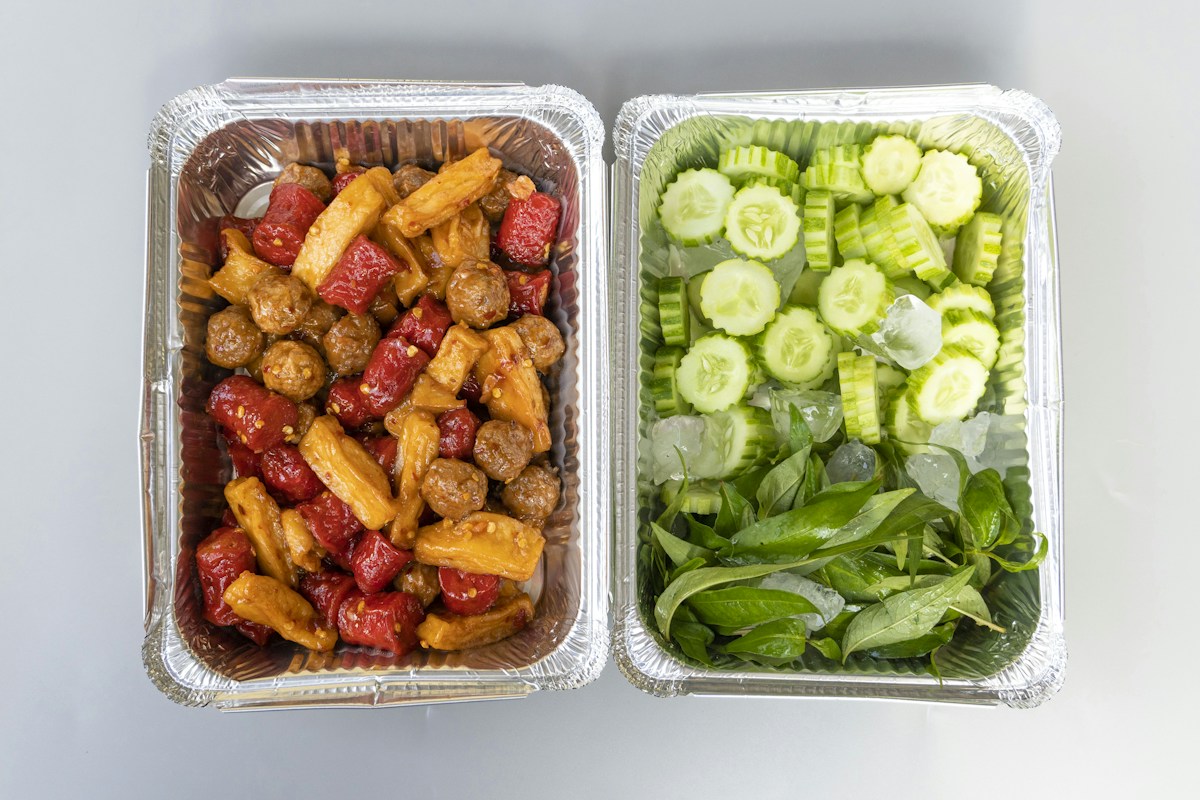
Cooking every meal from scratch can be satisfying, but it is not the only path to eating well. On busy days, a bag of frozen vegetables, a tin of beans, ready-cooked grains, a prepared soup, or a supermarket roast chicken can make the difference between a workable dinner and no plan at all.
The useful question is not whether a food is convenient. It is how that food fits into the meal as a whole. By combining prepared components with fresh, frozen, or pantry ingredients, you can build meals that offer variety, color, texture, and staying power without turning every evening into a major cooking project.
Think in Components, Not Perfect Meals
A convenience food can be one part of dinner rather than the entire dinner. Frozen dumplings can sit beside steamed greens and a cucumber salad. Prepared tomato soup can be paired with wholegrain toast, beans, or a vegetable-filled sandwich. Microwave rice can become a bowl with edamame, leftover vegetables, an egg, and a quick dressing.
This component approach removes the pressure to find one product that does everything. Instead, you choose a helpful shortcut and add what the meal still needs. It is flexible enough to reflect local foods, cultural preferences, appetite, time, and budget.
Use a Simple Four-Part Meal Formula
For an easy starting point, build around four parts: produce, a filling protein source, a carbohydrate or starchy food, and flavor. The proportions do not need to be exact, and not every dish will keep the parts visibly separate. A lentil soup with vegetables and bread may already cover several roles in one bowl.
- Produce: fresh salad leaves, frozen vegetables, tinned tomatoes, fruit, slaw, roasted vegetables, or vegetable soup.
- Protein source: beans, lentils, eggs, tofu, fish, chicken, yoghurt, cheese, or another option that suits your diet.
- Carbohydrate or starch: rice, noodles, bread, potatoes, tortillas, couscous, oats, or grains.
- Flavor: herbs, spices, salsa, pesto, citrus, pickles, chutney, dressing, or a flavorful sauce.
Before adding more food, look at what the convenience item already provides. A bean-and-vegetable soup may need only bread and fruit. A cheese pizza may benefit from a crisp salad or roasted vegetables rather than another rich side.
Choose Shortcuts That Solve Your Real Bottleneck
The best shortcut is the one that removes the task most likely to stop you cooking. If chopping feels difficult after work, choose washed greens, frozen chopped vegetables, or prepared slaw. If long cooking times are the problem, use tinned pulses, quick grains, ready-cooked rice, or a prepared protein.
You do not need to buy every ingredient in its most convenient form. Spend convenience where it has the greatest value for your routine. One person may gladly cook rice but avoid washing salad leaves; another may enjoy chopping vegetables but need a quick sauce to make them appealing.
Read Labels for Comparison, Not Perfection
Nutrition labels are most useful when comparing similar products. Check that the serving information reflects the amount you are likely to eat, then compare features relevant to the overall meal, such as sodium or salt, saturated fat, added sugars, fiber, and protein. Label formats and reference values vary by country, so use the guidance printed on local packaging.
The ingredient list can also show what makes up most of the product. This does not require finding a flawless item. If your preferred soup is higher in sodium, you might serve it with unsalted vegetables or choose lower-sodium foods elsewhere in the meal. One label is context, not a verdict on your whole diet.
Keep Frozen and Tinned Foods in the Rotation
Frozen and tinned foods can provide practical produce and pantry staples when fresh options are expensive, out of season, or likely to spoil. Frozen peas, spinach, broccoli, berries, and mixed vegetables are ready when needed. Tinned tomatoes, corn, beans, lentils, and fish can quickly add substance to a meal.
Choose versions that suit your needs and availability. Draining and rinsing tinned beans can remove some of the packing liquid. Frozen vegetables with no heavy sauce are easy to season in different ways, while a seasoned product may be useful when speed matters most.
Build Better Breakfasts and Lunches
Convenience is not only a dinner strategy. For breakfast, combine plain or lightly sweetened yoghurt with fruit, oats, nuts, or seeds. Add fruit and nut butter to toast, or serve a prepared egg item with tomatoes and wholegrain bread. Instant oats can become more substantial with fruit, yoghurt, milk, seeds, or spices.
For lunch, start with prepared soup, a frozen grain bowl, a sandwich, or leftover rice. Add crunch with cucumber, carrots, slaw, or fruit; add substance with beans, eggs, tofu, chicken, tuna, or yoghurt; and use herbs, pickles, mustard, or citrus to make the meal feel finished.
Try These Flexible Dinner Combinations
- Frozen dumplings: add greens, mushrooms, and a quick sesame-cucumber side.
- Prepared curry: extend it with chickpeas or vegetables and serve with rice.
- Ready-cooked grains: combine with beans, roasted vegetables, leaves, and dressing.
- Rotisserie or roast chicken: serve with frozen vegetables and potatoes, then use leftovers in soup or wraps.
- Jarred pasta sauce: add lentils, mushrooms, spinach, or courgette and toss with pasta.
- Frozen pizza: pair it with salad, fruit, or roasted vegetables for contrast and variety.
These are templates rather than rules. Similar locally available foods can fill the same roles, and portions can change with appetite and the rest of the day.
Let Convenience Support Your Budget
Prepared foods sometimes cost more per portion, but they can still offer value if they prevent waste or replace a more expensive last-minute option. Compare the cost of the amount you will actually use, not only the package price. A smaller bag of prepared vegetables may be sensible if a larger unprepared amount routinely spoils.
Pair higher-cost shortcuts with economical staples such as beans, lentils, oats, rice, potatoes, seasonal vegetables, or eggs where appropriate. Stretch a prepared soup with pulses and vegetables, or use a flavorful ready-made item as a topping rather than the whole meal.
Keep Food Safety in the Plan
Follow storage and cooking directions on the package, especially for chilled and frozen prepared foods. Keep perishable items refrigerated, respect use-by dates where they apply, and reheat foods according to reliable local food-safety guidance. Do not assume a food is fully cooked simply because it looks browned or ready to serve.
If you divide a large package, move the remainder into a clean covered container and label it with the opening date. Cool cooked leftovers promptly and avoid repeated cycles of warming and cooling. Convenience should reduce work, not make storage instructions easier to overlook.
Create a Personal Shortcut List
Write down five to ten combinations that work reliably in your household. Keep them broad: soup plus toast and fruit, grain bowl plus vegetables and protein, dumplings plus greens, pasta plus sauce and beans, or eggs plus vegetables and bread. A short list is easier to remember than a rigid weekly schedule.
When the routine starts to feel repetitive, HAiCook can help you discover new cooking inspiration and explore different meal possibilities. Use those ideas to vary flavors or formats while keeping the convenience components that already make your routine manageable.
Conclusion
Balanced everyday eating does not require cooking everything from its raw ingredients. Prepared foods, frozen staples, and ready-to-use components can share the same plate with fresh produce and simple home cooking. The most sustainable routine is one you can repeat on ordinary days.
Choose shortcuts that solve a real problem, compare similar products when labels are available, and complete the meal with ingredients that add variety, texture, and satisfaction. Convenience is not a compromise when it helps good meals happen more often.