Cooked Summer Produce Ideas: Easy Meals When You Want a Break From Raw Salads
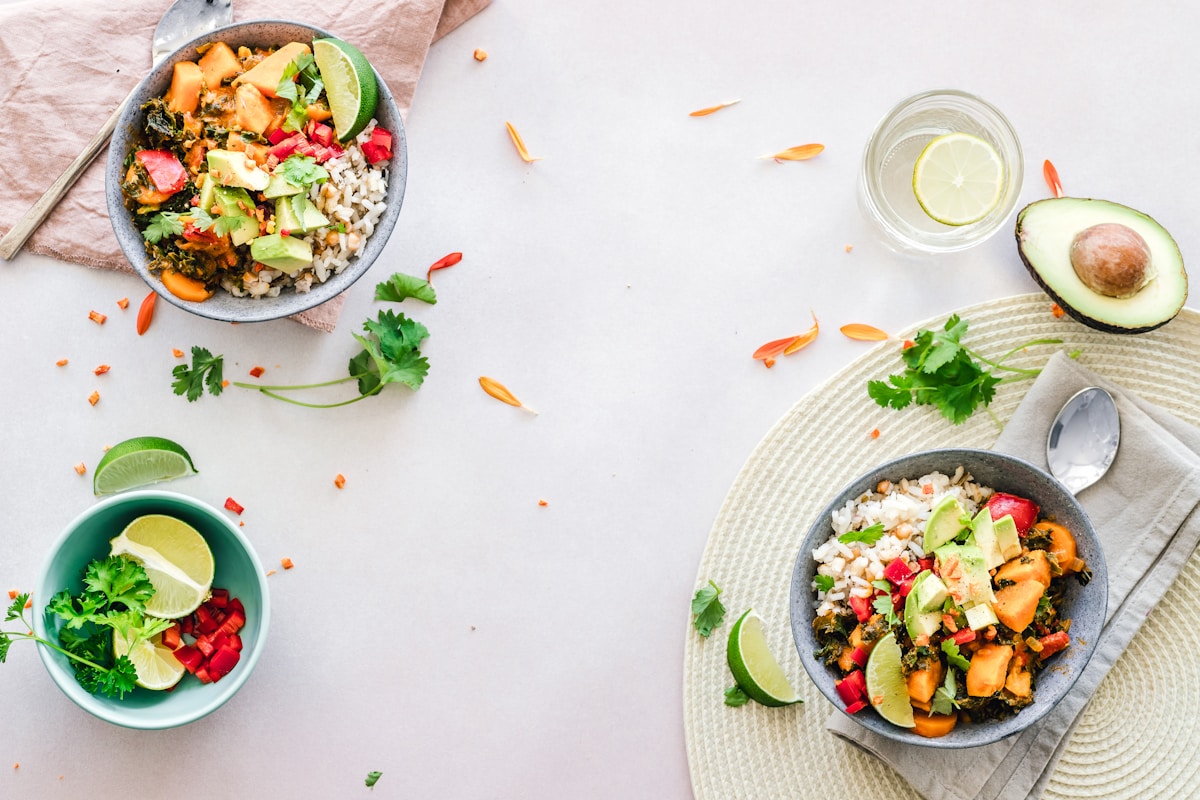
Summer cooking often leans on raw salads, sliced tomatoes, berries, herbs, and crisp vegetables. That makes sense: the produce is at its best, and nobody wants to stand over a hot stove for an hour. But there are plenty of reasons to cook summer produce too. Cooking can soften sturdy vegetables, concentrate sweetness, rescue produce that is just past its prime, and create meals that feel more complete than another bowl of leaves.
It is also a practical option when you want to be extra thoughtful about produce handling. The CDC is currently tracking a multistate cyclosporiasis outbreak in the US, and the FDA continues to recommend careful washing, separation from raw meat and seafood, and thorough cooking when appropriate. This article is not recall or medical advice; follow official guidance in your area. For everyday cooking, though, a few cooked summer produce ideas can make meals easier, safer-feeling, and much more satisfying.
Start With a Hot Pan, Not a Complicated Recipe
The fastest way to make summer vegetables feel intentional is to cook them hard and briefly. Slice zucchini, courgettes, peppers, mushrooms, aubergine, green beans, or sweetcorn kernels, then cook them in a wide pan with oil, salt, and enough space for moisture to evaporate. The goal is browning, not steaming.
Finish with lemon juice, vinegar, chilli flakes, black pepper, garlic, or a handful of herbs. Serve the vegetables over rice, couscous, toast, baked potatoes, pasta, noodles, or eggs. This method works for US weeknight bowls and UK-style jacket potatoes alike.
Turn Tomatoes Into a Quick Cooked Base
Raw tomatoes are glorious when ripe, but soft tomatoes are often better cooked. Chop them and simmer with olive oil, onion or garlic, salt, and a splash of vinegar until they collapse into a loose sauce. Add white beans, chickpeas, prawns, fish, tofu, eggs, or pasta depending on what you have.
Cherry tomatoes can be roasted or blistered until they burst. Spoon them over toast with ricotta, cottage cheese, hummus, or cream cheese. For dinner, toss them with gnocchi, grains, lentils, or roasted vegetables. Tomato juices become the sauce, so do not throw them away.
Cook Greens Without Making Them Dull
Leafy greens do not have to mean salad. Spinach, kale, chard, spring greens, pak choi, cabbage, and beet greens can become quick sides or meal bases. Wash them well, drain them, then saute with oil and garlic until just tender. Add lemon, soy sauce, miso butter, chilli crisp, mustard, or yoghurt to change the direction.
If you are using tougher greens, slice them thinly and cook the stems first. Add chickpeas or beans for a simple pan meal, or fold the greens into omelettes, quesadillas, pasta, fried rice, soup, or dal.
Use Corn as a Meal Builder
Sweetcorn is one of the easiest summer ingredients to cook. Boil or steam whole cobs, grill them, or shave kernels into a pan. Corn loves butter, lime, herbs, cheese, smoked paprika, jalapeno, spring onion, and black pepper.
For a fast dinner, mix cooked corn with black beans, tomatoes, and rice. Stir kernels into courgette fritters, pancake batter, pasta, chowder, or scrambled eggs. In the UK, tinned or frozen sweetcorn works well when fresh cobs are not convenient.
Roast or Grill the Produce That Needs Using First
When the fridge is full of odd ends, heat is your friend. Roast peppers, aubergine, courgette, onions, carrots, potatoes, mushrooms, and tomatoes on a sheet pan until browned. Keep pieces similar in size and avoid crowding the tray.
Once cooked, the vegetables can become several meals: wraps with yoghurt sauce, pasta with pesto, grain bowls with beans, flatbreads with cheese, frittatas, or soup. This is especially useful before a shop, delivery, or farmers' market trip because it clears space and reduces waste.
Make Fruit Work in Savory and Cooked Dishes
Not all summer fruit has to stay raw. Peaches, nectarines, plums, cherries, and berries can be cooked into compotes, sauces, tray bakes, and quick chutneys. Grilled peaches with halloumi or chicken, roasted plums with pork or lentils, and warm berries over yoghurt or oats all feel seasonal without much effort.
If fruit is bruised but not spoiled, cooking can save it. Trim damaged areas, then simmer with a little sugar or honey, lemon, and a pinch of salt. Use the result on porridge, pancakes, toast, ice cream, or a simple dessert bowl.
Keep Produce Handling Simple and Sensible
Good summer cooking starts before the pan. Wash hands before preparing food. Rinse produce under running water before cutting, including items with skins or rinds. Scrub firm produce such as cucumbers or melons with a clean brush. Keep raw meat, poultry, and seafood away from produce that will not be cooked.
For delicate herbs, leaves, and berries, handle gently and dry well. Do not use soap or household detergents on produce. If official advice in your area mentions a recall or specific product, follow that guidance first.
A Quick Use-It-Up Formula
- One soft tomato: cook into toast sauce with garlic and olive oil.
- Two courgettes or zucchini: saute hard, then fold into pasta or eggs.
- A handful of greens: wilt into beans, rice, soup, or noodles.
- Extra corn: mix with beans, rice, herbs, and lime.
- Bruised fruit: simmer into compote or chutney.
Conclusion
Raw salads are not the only way to enjoy summer produce. A hot pan, sheet tray, grill, or saucepan can turn the same ingredients into sauces, bowls, sides, breakfasts, lunches, and leftovers.
Cooked summer produce is flexible, flavorful, and practical. It helps you use what you bought, adapt to the weather, and keep meals interesting when peak-season ingredients are everywhere.