Cooking for Dietary Restrictions: A Comprehensive Guide
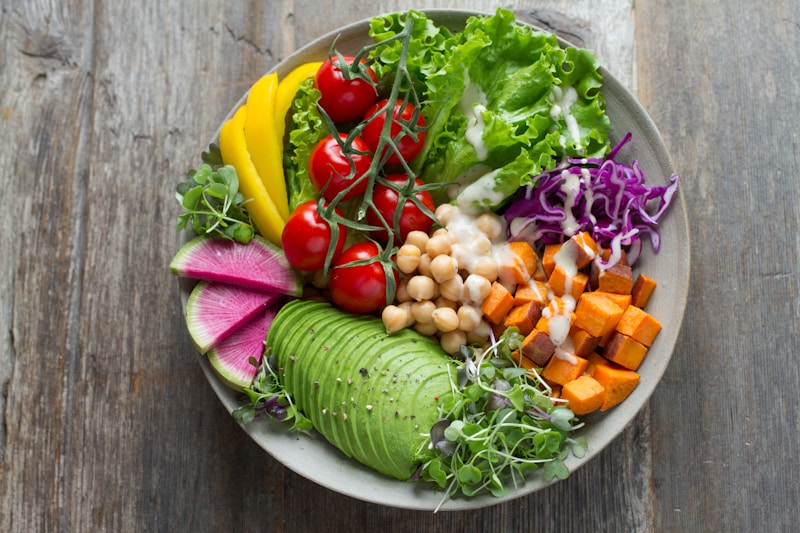
Cooking for dietary restrictions—whether due to allergies, intolerances, or personal choices—can seem daunting. But with the right knowledge and strategies, you can create delicious, satisfying meals that everyone at the table can enjoy.
Understanding Common Dietary Restrictions
Gluten-Free: Avoids wheat, barley, rye, and their derivatives. Essential for celiac disease and gluten sensitivity.
Dairy-Free: Eliminates milk and milk products. Common in lactose intolerance and milk protein allergies.
Nut-Free: Removes tree nuts and/or peanuts. Critical for severe allergies that can be life-threatening.
Vegan: Excludes all animal products including meat, dairy, eggs, and honey.
Vegetarian: Avoids meat and fish but typically includes eggs and dairy.
Low-FODMAP: Limits certain carbohydrates that can cause digestive issues.
Keto: Very low carbohydrate, high fat diet used for weight management and certain health conditions.
Reading Labels Effectively
Food labels are your best friend when cooking for restrictions. Allergens must be clearly listed in the US and many other countries, but you still need to watch for hidden ingredients.
For gluten: Look for "modified food starch," "malt," soy sauce, and cross-contamination warnings.
For dairy: Watch for "casein," "whey," "lactose," and "ghee" in ingredient lists.
For eggs: Check for "albumin," "lecithin," and "lysozyme."
When in doubt, choose products with certification labels like "Certified Gluten-Free" or "Vegan" stamps from reputable organizations.
Smart Substitutions
Most recipes can be adapted with strategic substitutions:
Milk alternatives: Almond, oat, soy, coconut milk work in most recipes. Oat milk is best for creamy sauces, coconut for Asian dishes.
Egg replacements: For baking, use flax eggs (1 Tbsp ground flax + 3 Tbsp water = 1 egg). For binding, try mashed banana or applesauce.
Flour alternatives: Almond flour for baking, rice flour for frying, chickpea flour for savory dishes. Commercial gluten-free blends often work 1:1 for wheat flour.
Butter swaps: Coconut oil, olive oil, or vegan butter work well in most applications.
Cheese alternatives: Nutritional yeast adds cheesy flavor. Cashew cream creates creamy textures. Many plant-based cheeses now melt well.
Preventing Cross-Contamination
For severe allergies, cross-contamination can be dangerous. Follow these precautions:
• Use separate cutting boards and utensils for allergen-free cooking
• Clean surfaces thoroughly before preparing allergen-free foods
• Store allergen-free foods separately in sealed containers
• Cook allergen-free meals first, before preparing other foods
• Use separate condiments with clean utensils to avoid contamination
• Be aware of airborne allergens (flour dust, cooking sprays)
For celiac disease, even tiny amounts of gluten matter. Dedicated toasters, strainers, and wooden utensils may be necessary.
Naturally Compliant Cuisines
Some cuisines are naturally suited to certain dietary restrictions:
Thai and Vietnamese: Often dairy-free and gluten-free (use tamari instead of soy sauce)
Indian: Many vegetarian and vegan options; naturally gluten-free with rice and lentils
Mexican: Corn-based dishes are naturally gluten-free
Mediterranean: Lots of vegetarian, dairy-free options with olive oil as a base
Building meals around these cuisines can make restricted eating feel less limiting and more exciting.
Recipe Modification Strategies
When adapting favorite recipes, follow this process:
1. Identify problem ingredients: List everything that needs substitution
2. Understand their function: Does it provide structure, moisture, flavor, or binding?
3. Choose appropriate substitutes: Match the function, not just the ingredient
4. Test in small batches: Don't make a full recipe until you've tested substitutions
5. Adjust seasonings: Substitutes may alter flavor, so taste and adjust
Keep notes on what works. Over time, you'll develop a personal substitution guide for your favorite dishes.
Dining Out and Social Situations
Managing dietary restrictions outside your kitchen requires preparation:
• Call restaurants ahead to discuss restrictions and menu options
• Carry allergy cards explaining restrictions in the local language when traveling
• For parties, offer to bring a dish you can safely eat
• Don't be afraid to ask detailed questions about ingredients and preparation
• Build relationships with restaurants that accommodate your needs well
Many restaurants now mark menu items for common restrictions. Apps like AllergyEats help find allergy-friendly establishments.
Stocking an Inclusive Pantry
Keep these versatile ingredients on hand for various restrictions:
• Grains: Rice, quinoa, gluten-free oats, certified GF pasta
• Proteins: Beans, lentils, chickpeas, tofu, tempeh
• Fats: Olive oil, coconut oil, tahini, seed butters
• Flours: Almond flour, coconut flour, gluten-free blend
• Seasonings: Herbs, spices, tamari, nutritional yeast
• Baking: Baking soda/powder (check for corn-free if needed), vanilla extract
With these basics, you can create meals that work for multiple dietary needs simultaneously.
Embrace the Positive
Dietary restrictions can actually lead to positive changes:
• You'll discover new ingredients and cuisines
• You become more aware of what's in your food
• You learn valuable cooking skills
• You may find meals that make you feel better than ever
Many people report that cooking for restrictions improved their overall diet, making them eat more whole foods and fewer processed items.
Remember, restrictions don't mean deprivation. With creativity and knowledge, you can enjoy amazing food while honoring your health needs.