Fiber-Forward Meal Prep: Easy Ways to Add Beans, Oats, and Vegetables to Everyday Meals
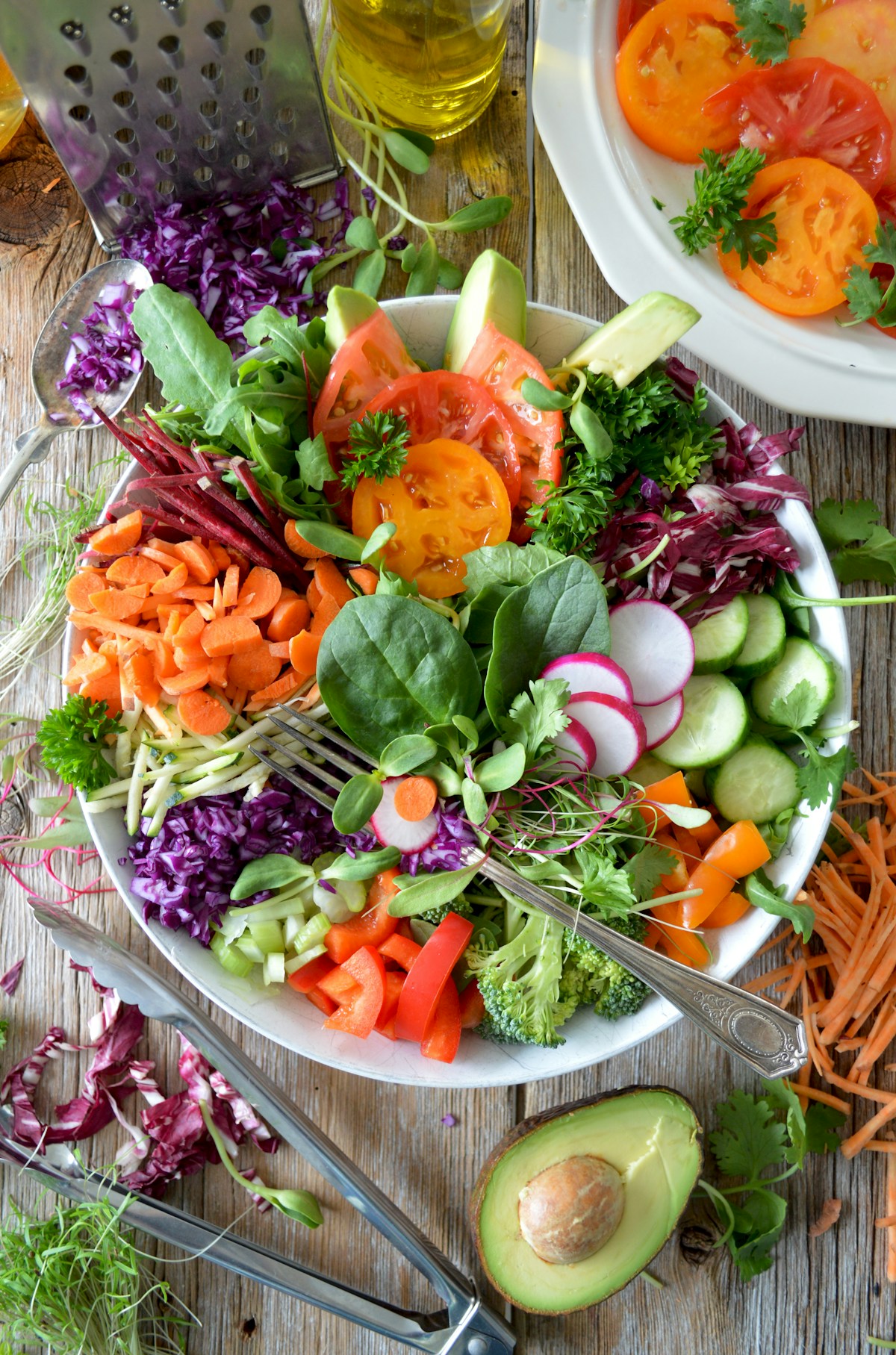
Protein has owned the meal-prep conversation for years, but fiber is finally getting its turn. In 2026 food trend coverage, fiber-rich ingredients such as beans, oats, whole grains, vegetables, fruit, nuts, and seeds are showing up as practical everyday staples rather than niche health foods. That is good news for home cooks, because fiber-forward meals are usually budget-friendly, filling, flexible, and easy to build from ingredients you may already buy.
What Does Fiber-Forward Mean?
Fiber-forward cooking does not mean turning every meal into a bran muffin or counting every gram. It simply means planning meals around plant foods that naturally bring fiber along with flavor, texture, and staying power. Beans add creaminess and protein. Oats make breakfasts and snacks more substantial. Whole grains give bowls and salads structure. Vegetables and fruit bring color, freshness, and crunch.
This style of cooking works especially well for US and UK kitchens because the ingredients are familiar and accessible. Tinned beans, frozen peas, rolled oats, wholemeal bread, brown rice, lentils, berries, apples, carrots, cabbage, broccoli, and sweet potatoes can all become part of normal weekly meals without requiring a completely new diet.
Build Meals with a Simple Formula
The easiest way to make fiber-forward meal prep feel natural is to use a flexible formula. Start with one familiar meal you already like, then add one fiber-rich ingredient rather than rebuilding dinner from scratch.
- Base: oats, brown rice, quinoa, barley, wholemeal pasta, wholegrain bread, potatoes with the skin, or salad greens.
- Fiber-rich anchor: beans, lentils, chickpeas, peas, broccoli, carrots, cabbage, berries, apples, or sweet potatoes.
- Protein: eggs, fish, chicken, tofu, Greek yogurt, cottage cheese, beans, lentils, or hummus.
- Flavor: pesto, salsa, yogurt dressing, tahini, vinaigrette, herbs, spices, lemon, lime, pickles, or chilli crisp.
- Crunch: seeds, nuts, slaw, cucumber, radishes, toasted oats, or wholegrain croutons.
Batch-Prep One Bean or Lentil Base
Beans and lentils are the quiet heroes of fiber-forward cooking. They are affordable, easy to store, and useful in many cuisines. If you cook from dried beans, batch-cook once and freeze portions. If you use tinned beans, rinse and drain them, then season them well so they taste like a planned ingredient rather than an afterthought.
Try a lemony chickpea mix with olive oil, lemon juice, parsley, cucumber, and black pepper. Use it in wraps, grain bowls, jacket potatoes, or salads. For something warmer, make a lentil tomato base with garlic, onions, carrots, tinned tomatoes, and herbs. It can become pasta sauce, soup, a toast topping, or a quick side for eggs.
Use Oats Beyond Breakfast
Oats are one of the easiest fiber-forward ingredients to keep in the cupboard. Overnight oats are the obvious meal-prep win: combine oats with milk or yogurt, fruit, nuts or seeds, and a pinch of salt. Make two or three jars at once, then adjust toppings so breakfast does not feel repetitive.
But oats can do more. Blend a handful into smoothies for extra body, use them in homemade snack bites, add them to pancake batter, or stir a small amount into meatballs, veggie patties, and crumble toppings. Savory oats also work well with mushrooms, spinach, eggs, cheddar, or chilli oil when you want a quick lunch that feels more like risotto than porridge.
Upgrade Familiar Dinners
Fiber-forward cooking is easiest when it improves meals you already cook. Add black beans to tacos or burrito bowls. Stir lentils into bolognese. Add peas and spinach to pasta. Serve curry with brown rice or add chickpeas to the sauce. Put sweet potato wedges beside grilled chicken or tofu. Make a crunchy slaw for sandwiches and burgers.
The goal is not perfection. A white pasta dinner with extra broccoli and cannellini beans is still a useful upgrade. A cheese toastie with tomato soup and a side of fruit can be more balanced than a lonely sandwich. Small additions count, especially when they are repeatable.
Make Vegetables Easier to Use
Many people buy vegetables with good intentions, then watch them fade in the fridge. Meal prep can fix that. Wash and chop hardy vegetables such as carrots, peppers, cabbage, celery, and broccoli. Roast or steam a tray if you plan to eat cooked meals, or keep some raw for salads and lunchboxes.
Frozen vegetables are also helpful. Peas, spinach, sweetcorn, broccoli, and mixed vegetables are usually ready when you are, with little waste. They can be added to soups, fried rice, pasta, omelettes, noodle bowls, and jacket potatoes. For UK readers, frozen peas and wholemeal toast can quickly become a simple lunch with eggs or hummus. For US readers, frozen corn, black beans, salsa, and rice can become a fast bowl.
Increase Fiber Gradually
Fiber-rich foods are good everyday ingredients, but sudden changes can be uncomfortable. If your meals are currently low in beans, whole grains, fruits, and vegetables, build up gradually and drink enough fluids. Start with one upgrade a day: berries at breakfast, beans at lunch, or an extra vegetable at dinner.
People with digestive conditions or specific medical diets may need tailored advice from a qualified professional. For everyone else, the most useful approach is steady and practical: more variety, more plants, and more repeatable meals.
A Three-Day Fiber-Forward Mini Plan
Here is a simple plan that uses overlapping ingredients without making every meal taste the same.
- Day 1: Overnight oats with berries, yogurt, and seeds; chickpea salad wraps for lunch; lentil tomato pasta for dinner.
- Day 2: Savory oats with spinach and egg; hummus, carrot, and cucumber sandwiches; black bean taco bowls with rice and slaw.
- Day 3: Wholegrain toast with peanut butter and banana; lentil soup with wholemeal bread; baked sweet potatoes with beans, yogurt, and herbs.
You can ask HAiCook to adapt this plan for vegetarian, gluten-free, dairy-free, budget-friendly, or child-friendly needs, then generate a shopping list from the final set of meals.
Conclusion
Fiber-forward meal prep is not about strict rules. It is about making beans, oats, whole grains, vegetables, fruit, nuts, and seeds easier to use in real meals. Start with one anchor ingredient, repeat it in several ways, and build from the foods your household already enjoys.
With a few pantry staples and a flexible plan, fiber can move from a nutrition buzzword to a practical part of breakfast, lunch, dinner, and snacks.