How to Cook One Flexible Meal for Different Dietary Restrictions
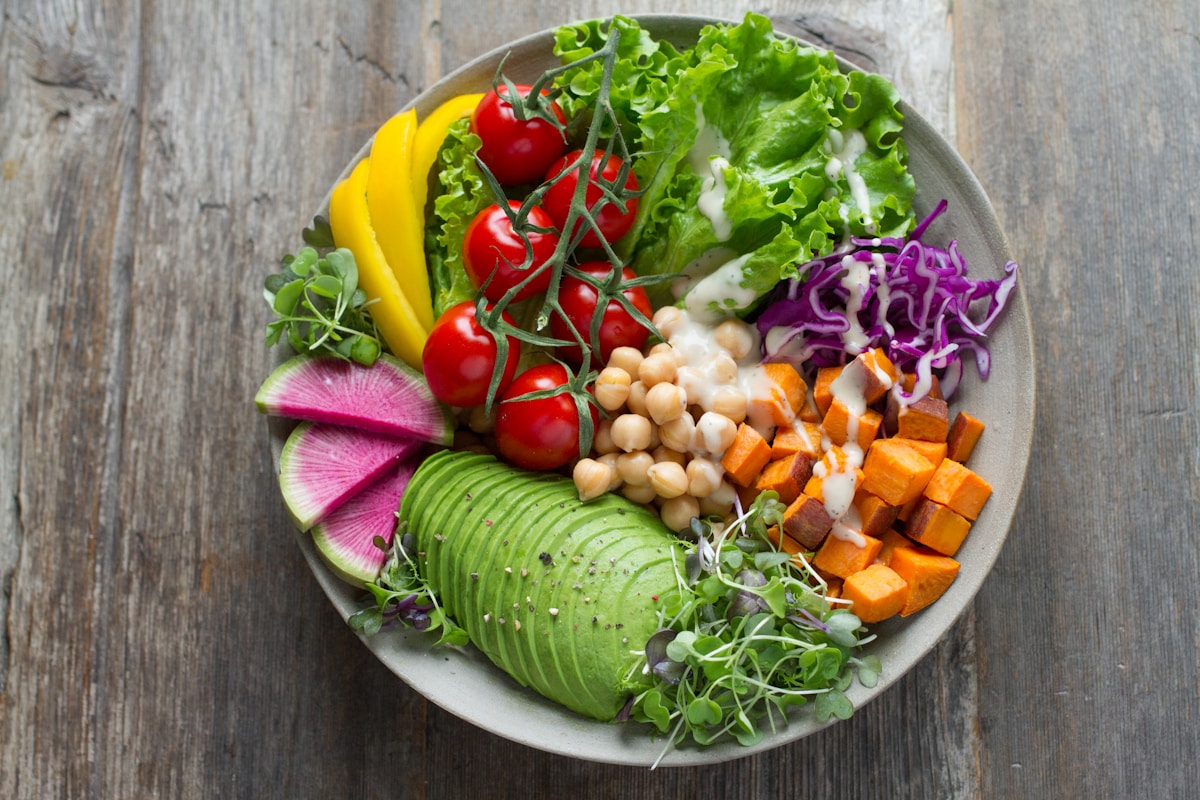
Cooking for several dietary restrictions can turn a friendly meal into a complicated puzzle. One person avoids dairy, another eats no meat, and someone else may need strict protection from a food allergen or gluten. Trying to invent a single finished dish that suits every need is not always practical, and in some situations it is not safe.
A better strategy is to plan one flexible meal made from a shared base and clearly separated components. Diners can assemble suitable plates without the cook preparing several unrelated menus. The method works well for bowls, baked potatoes, tacos, salads, rice dishes, soups, and other meals that are naturally modular. Safety, however, begins before choosing a recipe: you need to understand exactly what each person can eat and how carefully their food must be handled.
Start by Asking Specific Questions
“Do you have any dietary restrictions?” is a useful opening, but the answer may need clarification. A preference, a religious or ethical practice, an intolerance, coeliac disease, and a food allergy can require very different decisions. Ask which ingredients must be avoided, whether traces or shared equipment are a concern, and whether a packaged product needs a particular label or certification.
Do not make someone defend or prove a restriction. Treat their description as the operating rule for the meal. If the person is a child, confirm details with a parent or carer. For a diagnosed allergy, coeliac disease, or medically prescribed diet, the person managing it is the best source for what is safe for them. When you cannot meet the requirement confidently, say so before the gathering so another arrangement can be made.
Choose a Base with Broad Compatibility
Begin with a simple foundation that already fits as many diners as possible. Depending on the stated needs, that might be rice, potatoes, maize-based tortillas, quinoa, polenta, a vegetable soup, or a large salad. The best base is familiar, satisfying, and easy to keep separate from optional ingredients.
This is not about finding a universal “free-from” food. Every ingredient still needs to be checked against the actual restrictions. Plain rice may work for many people, but a stock cube, seasoning blend, sauce, or garnish added later could introduce an unsuitable ingredient. Keep the common base straightforward, then build flavor through clearly identified components.
Build the Meal in Separate Components
A modular meal lets each diner choose from parts that have been planned and handled appropriately. Offer one or more proteins, vegetables, a starch, toppings, and sauces in separate serving dishes. For example, a rice bowl meal could include roasted vegetables, beans, chicken, herbs, cucumber, seeds, yoghurt sauce, and a dairy-free dressing.
Separation also protects the character of the food. Crisp toppings stay crisp, sauces do not overwhelm the base, and diners can choose heat, acidity, and richness for themselves. Use separate serving utensils for every component. Label dishes when ingredients are not obvious, and keep packaging or an ingredient list available for anyone who needs to verify details.
Remember That Substitution Is Not the Same as Safety
Replacing one ingredient can make a recipe suitable for a preference, but it does not automatically make it safe for an allergy or coeliac disease. A dairy-free spread may contain another allergen. A wheat-free product is not necessarily gluten-free. Plant-based meat or cheese alternatives may contain wheat, soya, nuts, sesame, or other ingredients a diner avoids.
Read the full label every time, including warnings about shared production where these are provided. Recipes and product formulations can change. Check stocks, spice blends, dressings, marinades, desserts, and garnishes rather than focusing only on the obvious centre of the plate. If a label is missing or unclear, do not guess.
Take Cross-Contact Seriously
Cross-contact occurs when an allergen or gluten is unintentionally transferred to food that otherwise would not contain it. Crumbs in a shared toaster, pasta water, a cutting board, a serving spoon moved between dishes, or a knife returned to a communal spread can all matter. Ordinary cooking heat does not reliably make an allergen safe.
Before preparing food for someone with strict requirements, wash your hands and thoroughly clean work surfaces, utensils, cookware, and equipment with appropriate cleaning methods. Prepare the allergy-safe or gluten-free food first when possible, then cover it and keep it away from splashes and crumbs. Some situations require dedicated equipment, such as a separate toaster or fryer; ask the diner what precautions they need.
Plan the Cooking Order
A written sequence reduces mistakes. Start with the component that has the strictest handling requirements. Portion and cover it before opening or cooking ingredients that must be avoided. Then prepare the shared base and other additions, changing or cleaning utensils and equipment as required.
Color-coded tools or a dedicated tray can help, but a color alone does not make an item clean. Keep ingredient packets together until the meal is served, and avoid last-minute garnishes that have not been checked. If an allergen enters a dish intended to be allergy-safe, removing the visible piece is not enough; the safe option is to start that component again.
Serve in a Way That Preserves the Plan
Careful preparation can be undone at the table. Give every bowl its own spoon or tongs, leave space between dishes, and place the safest components where they are less likely to catch crumbs or drips. A diner with strict needs may prefer to serve themselves first, before utensils are moved around.
Keep breads, grated cheese, nut toppings, sauces, and other common problem ingredients in their own area. Do not sprinkle a garnish over the entire meal simply because it is optional in the recipe. If children are serving themselves, an adult may need to help prevent utensils and food from being shared between dishes.
Five Flexible Meal Formats
- Rice or grain bowls: serve the base, vegetables, proteins, herbs, crunchy toppings, and sauces separately.
- Baked potatoes: offer beans, vegetables, meat, dairy and non-dairy toppings in clearly identified bowls.
- Taco-style meals: check wraps or shells carefully, then separate fillings, salsas, vegetables, cheese, and alternatives.
- Soup with sides: choose a suitable soup base and let diners add herbs, grains, bread, cream, yoghurt, or protein at the table.
- Tray-roasted components: use separate trays or divided preparation where required, then serve vegetables, potatoes, and proteins with sauces on the side.
The format should follow the restrictions, not the other way around. A shared buffet may be inappropriate when cross-contact cannot be controlled. In that case, plate and cover the safe meal separately before the remaining food reaches the table.
Keep Flavor in the Shared Base
Restriction-friendly cooking should not mean bland food. Build flavor with ingredients that everyone has confirmed are suitable: roasted vegetables, fresh herbs, citrus, garlic, ginger, chillies, toasted spices, or a carefully checked stock. Then use optional sauces and condiments to take individual plates in different directions.
A bright herb dressing, tomato salsa, spiced beans, roasted mushrooms, or pickled vegetables can make a simple base feel generous rather than compromised. When you need ideas for a modular meal, HAiCook can help you explore fresh cooking inspiration. Always verify suggested ingredients and packaged products against each diner's specific requirements before cooking.
Use a Final Pre-Serving Check
Before serving, compare the meal with the information you were given. Are all labels checked? Does each component have its own utensil? Has the strict meal remained covered and separate? Can you explain what is in every sauce, topping, and packaged ingredient?
Invite the diner to review the setup without treating the conversation as an inconvenience. Confidence comes from clear information, not from promises such as “it should be fine.” If either of you is uncertain, leave that item off their plate.
Conclusion
Cooking for different dietary restrictions becomes more manageable when you stop forcing every need into one finished dish. A simple shared base, separate components, clear labels, and thoughtful serving can create choice without multiplying the entire menu.
For allergies, coeliac disease, and other strict medical diets, flexibility must sit inside careful safety practices. Ask first, check every ingredient, prevent cross-contact, and let the person with the restriction guide the final decision. The result is not merely an adaptable meal; it is a more considerate table.