How AI is Revolutionizing the Way We Cook at Home
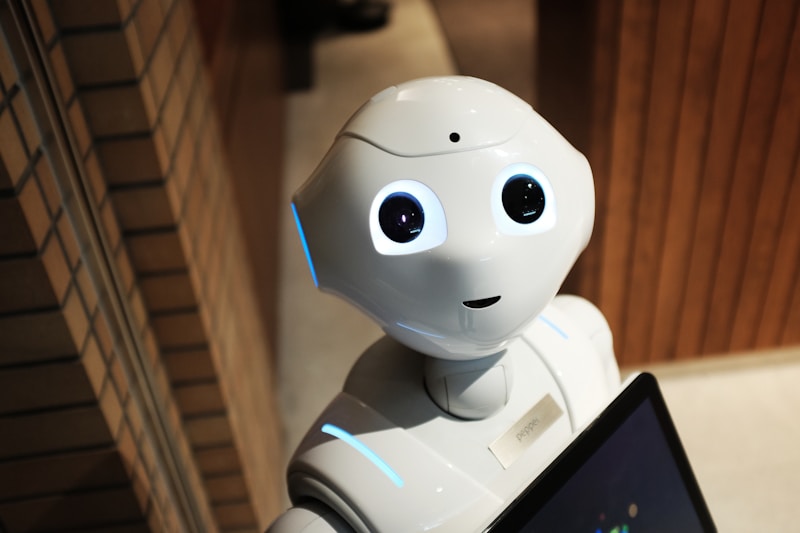
Artificial intelligence is transforming every aspect of our lives, and cooking is no exception. From recipe generation to smart kitchen appliances, AI is making home cooking more accessible, personalized, and efficient than ever before.
The AI Cooking Revolution
Just a few years ago, the idea of AI helping you cook would have seemed like science fiction. Today, it's a reality that millions of people use daily. AI-powered cooking apps and smart kitchen devices are fundamentally changing how we approach meal preparation.
The technology has evolved from simple recipe databases to sophisticated systems that understand your preferences, dietary needs, and cooking skills—then adapt in real-time to help you create perfect meals.
Personalized Recipe Generation
Modern AI can analyze millions of recipes to understand flavor combinations, cooking techniques, and ingredient substitutions. When you input available ingredients, the AI doesn't just match existing recipes—it creates new ones tailored specifically to you.
Machine learning algorithms consider factors like your dietary restrictions, flavor preferences, cooking skill level, and even the time you have available. The result is truly personalized cooking guidance that adapts to your unique situation.
HAiCook's AI, for example, has been trained on over 10 million recipes from cuisines around the world. It understands which ingredients complement each other, what cooking methods work best for different proteins, and how to adjust recipes based on available equipment.
Smart Kitchen Integration
AI isn't limited to your phone—it's moving into kitchen appliances themselves. Smart ovens can recognize the type of food you're cooking and automatically adjust temperature and cooking time. AI-powered refrigerators track expiration dates and suggest recipes based on what's inside.
Voice-activated assistants like Alexa and Google Assistant now offer hands-free cooking guidance, letting you check recipe steps without touching your phone with messy hands. Some advanced systems even provide real-time troubleshooting, answering questions like "How do I know when my chicken is done?"
Computer Vision in Cooking
One of the most exciting developments is computer vision technology that can "see" and analyze food. AI cameras can identify ingredients, assess their freshness, and even estimate portion sizes for accurate nutritional tracking.
Some apps now let you take a photo of your fridge contents, and the AI will identify everything and suggest recipes. This technology is still evolving, but it's already remarkably accurate and continues to improve with each update.
In professional kitchens, computer vision systems are helping ensure food safety and consistency by monitoring cooking temperatures and detecting potential contamination.
Nutritional AI and Health Tracking
AI-powered nutritional analysis goes far beyond counting calories. Modern systems can break down the complete nutritional profile of any meal, tracking vitamins, minerals, macronutrients, and more.
For people managing health conditions like diabetes or heart disease, AI can suggest recipe modifications that meet medical dietary requirements while still being delicious. It can swap ingredients, adjust portion sizes, and ensure meals align with specific health goals.
Integrated with fitness trackers and health apps, AI cooking assistants can recommend meals based on your activity level, helping athletes fuel properly or supporting weight management goals.
Reducing Food Waste
One of AI's most important contributions to cooking is reducing food waste. By suggesting recipes based on ingredients you already have—especially those nearing expiration—AI helps ensure nothing goes to waste.
Smart predictive algorithms can learn your eating patterns and help plan purchases more accurately, reducing overbuying. Some systems integrate with grocery delivery services, automatically ordering ingredients you need while avoiding duplicates of what you already have.
On a global scale, this technology has the potential to significantly reduce household food waste, which accounts for nearly 40% of all food waste worldwide.
The Future of AI Cooking
We're still in the early stages of AI-powered cooking. Future developments might include:
• Taste prediction: AI that can accurately predict if you'll enjoy a dish before you make it
• Robotic cooking assistants: Robots that can perform basic prep work while you focus on creativity
• Augmented reality guidance: AR glasses showing step-by-step instructions overlaid on your actual kitchen
• Global flavor exploration: AI that helps you recreate authentic dishes from any culture
• Sustainability optimization: Algorithms that minimize environmental impact of meal choices
The goal isn't to replace human creativity in the kitchen—it's to enhance it. AI handles the routine decisions and technical aspects, freeing you to focus on the joy of cooking and sharing meals with loved ones.