How to Cook Mushrooms So They Brown Instead of Steam
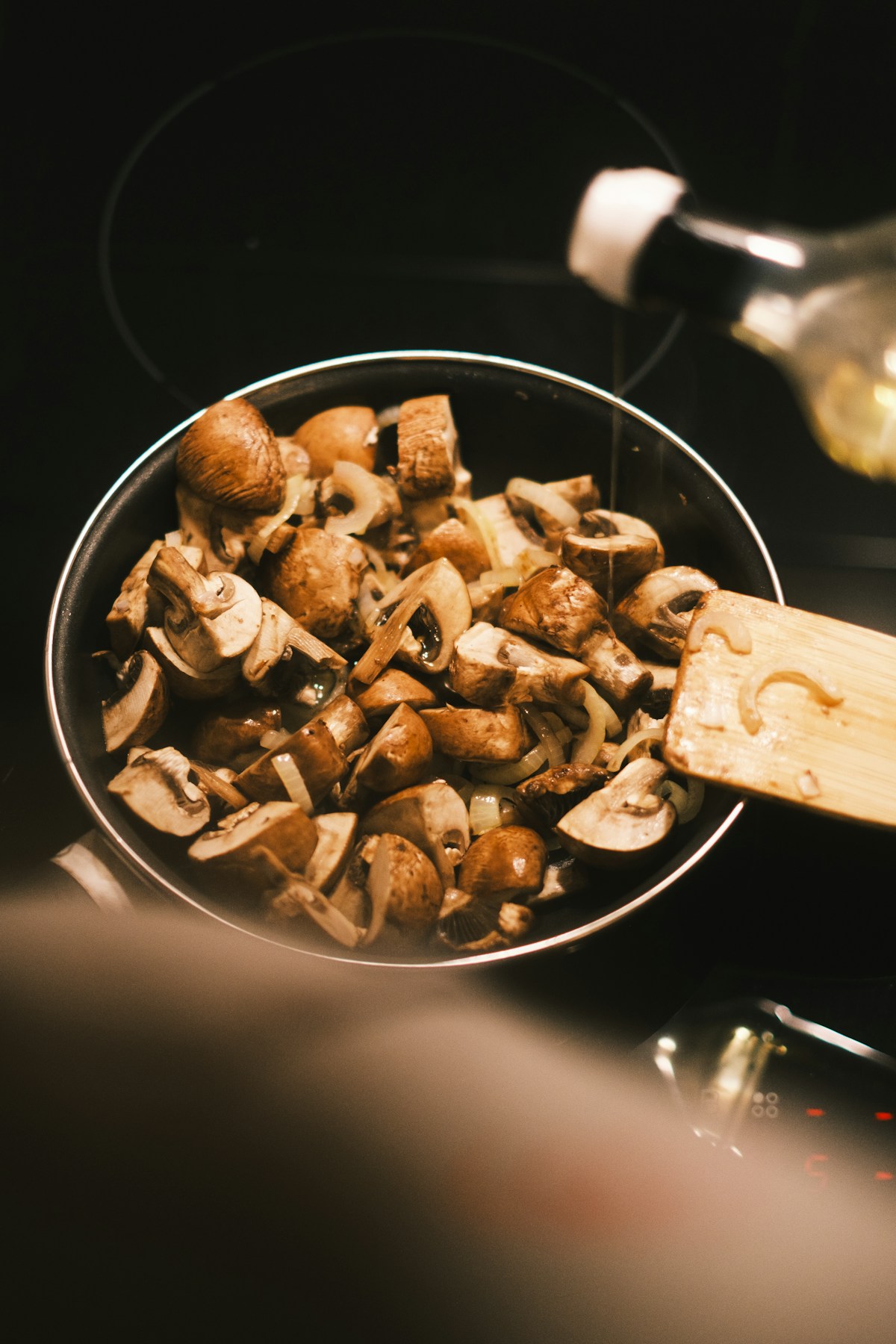
Golden, savory mushrooms can make toast, pasta, eggs, grains, soups, and simple vegetables taste more complete. Yet mushrooms often behave differently from what a recipe photo suggests: instead of browning, they release a pool of liquid and simmer in their own juices.
That is not a ruined dinner. Mushrooms naturally contain plenty of water, and browning begins only when enough surface moisture has evaporated. A few practical choices about cleaning, slicing, pan size, heat, and timing can help you move through that watery stage and reach deep color with crisp, flavorful edges.
Why Mushrooms Steam Before They Brown
As mushrooms heat, their cells release moisture. If the pan is crowded or not hot enough, that moisture collects faster than it can evaporate. The temperature at the food's surface stays relatively low, so the mushrooms soften and steam instead of developing color.
Browning needs a hot surface and enough open space for steam to escape. This is why two smaller batches often finish faster and taste better than one overloaded pan. The goal is not to keep mushrooms completely dry; it is to manage the water they naturally release.
Choose Mushrooms That Feel Firm and Fresh
Look for cultivated mushrooms that feel firm and plump, with surfaces that are dry rather than slimy. White button and cremini mushrooms are reliable for everyday sauteing. Shiitake bring a stronger savory flavor, while oyster, maitake, king oyster, and other locally available varieties offer different textures and shapes.
Store fresh mushrooms in the refrigerator in their original container or a breathable paper bag. Avoid sealing loose mushrooms in a damp, airtight bag, where condensation can collect. Cook them while they are still firm rather than waiting until they begin to soften.
Clean Quickly, Then Dry Well
Brush away loose debris or wipe mushrooms with a damp cloth. If they need more cleaning, rinse them briefly under cool running water rather than leaving them to soak. Pat them dry before cutting. A quick rinse is manageable; lingering surface water is what delays browning.
Trim dry stem ends. The stems of button, cremini, and portobello mushrooms are edible, while shiitake stems are usually too fibrous for a quick saute. Save clean, tough stems for stock if that suits your cooking.
Cut for the Texture You Want
Very thin slices cook quickly but can shrink into soft, delicate pieces. For a meatier texture and more visible browned edges, cut button or cremini mushrooms into thick slices, halves, or quarters. Tear oyster or maitake mushrooms into natural clusters so their irregular edges can crisp.
Keep the pieces reasonably even within each batch. If tiny fragments share the pan with large caps, the fragments may burn before the larger pieces finish releasing water.
Use a Wide Pan and Enough Heat
Choose the widest skillet that fits your burner and heat it before adding the mushrooms. Stainless steel, cast iron, and other heavy pans hold heat well, but a reliable nonstick skillet also works. Add a thin layer of oil with a suitable cooking temperature, then arrange the mushrooms in one layer.
A useful test is visual: you should be able to see some pan between the pieces. If every mushroom overlaps another, divide the batch. Keep the heat around medium-high, adjusting as needed so the mushrooms sizzle without scorching the fat.
Let the First Side Make Contact
Once the mushrooms are in the pan, resist constant stirring. Leave them in contact with the hot surface until the underside begins to color, then turn or toss them. Frequent movement interrupts contact and makes it harder to build a browned crust.
Some mushrooms will release liquid before they color. Keep cooking. As the liquid evaporates, the sound will change from a quiet simmer back to a sharper sizzle. That is the moment when browning accelerates. Add a little more oil only if the pan looks dry and the mushrooms begin to stick excessively.
When Should You Add Salt?
Salt draws attention because it can encourage ingredients to release water. In practice, either early or late seasoning can work if the pan is hot and not crowded. Salting near the end gives you maximum control when browning is the priority. Salting earlier distributes seasoning more evenly but may lengthen the watery stage slightly.
For a dependable first attempt, brown the mushrooms most of the way, then add salt, black pepper, and other seasonings. Taste before adding more salt, especially if the finished dish will also contain soy sauce, miso, hard cheese, stock, or another savory ingredient.
Add Garlic, Butter, and Herbs Later
Garlic and butter can burn during the time mushrooms need to release moisture and brown. Start with oil, then lower the heat and add butter, chopped garlic, shallots, thyme, rosemary, or spices once the mushrooms have good color. Cook just until the aromatics are fragrant.
For a quick pan sauce, add a small splash of stock, wine, vinegar, lemon juice, or water and scrape up the browned bits. Let the liquid reduce, then finish with herbs or a spoonful of cream if desired. The same pan now holds both the browned mushrooms and the flavor they left behind.
Common Mushroom Problems and Easy Fixes
- The pan fills with water: Keep cooking until it evaporates, or move part of the batch to another hot pan.
- The mushrooms look pale: Give them more direct contact time and avoid stirring continuously.
- The edges burn before the centers soften: Lower the heat slightly or cut the next batch more evenly.
- The pan turns dry: Add a small amount of oil around the edge and toss once it is hot.
- The mushrooms taste flat: Add salt after browning, then balance with acidity, herbs, pepper, or another savory ingredient.
Turn One Batch into Several Meals
Browned mushrooms are useful far beyond a side dish. Fold them into an omelette, spoon them over toast, stir them through pasta or risotto, add them to noodle bowls, layer them into a sandwich, or use them to deepen a soup, curry, pie filling, or grain bowl.
You can also cook a larger batch and refrigerate it promptly in a covered container for later meals. Keep a few portions simply seasoned, then change the direction with mustard and herbs, soy sauce and sesame oil, smoked paprika and lemon, or tomato and oregano.
A Note on Wild Mushrooms
Cooking technique cannot make a poisonous mushroom safe. Only use wild mushrooms that have been identified as edible by a qualified local expert, and follow any preparation guidance specific to that species. When there is uncertainty, choose cultivated mushrooms from a trusted seller.
Conclusion
The path to deeply browned mushrooms is mostly about patience and space: dry the surface, use a wide hot pan, avoid crowding, and let each side stay in contact long enough to color. If liquid appears, keep going until the pan returns to a sizzle, then add delicate flavorings near the end.
Once you have a good batch, HAiCook can help you discover fresh cooking inspiration and explore different ways to turn it into an everyday meal.