How to Make Everyday Meals More Nutrient-Dense Without a Restrictive Diet
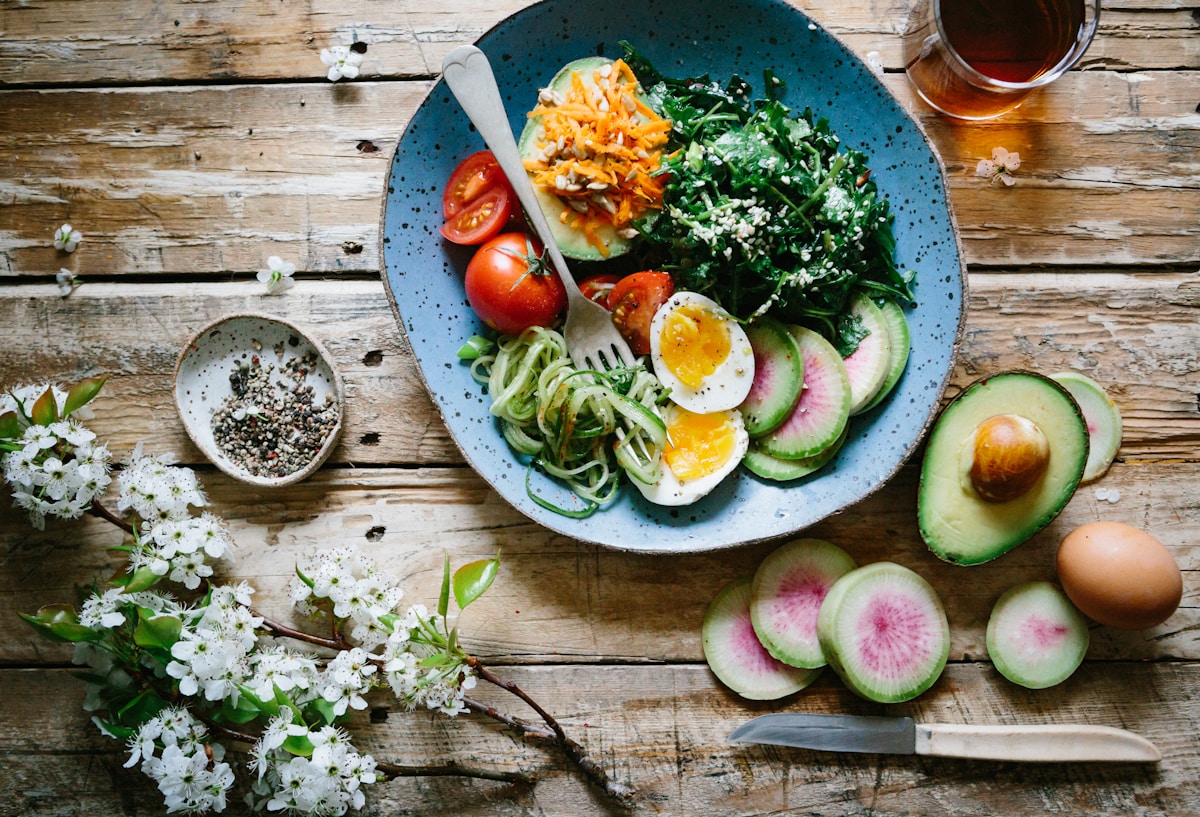
Nutrition advice can make an ordinary meal feel like a test. One week the spotlight is on protein; the next it is fiber, fermented food, or a newly fashionable ingredient. Nutrient density offers a calmer way to think about eating. Instead of asking whether one food is perfect, it asks how much useful nourishment a meal provides through a varied mix of foods.
This is not a prescription for a flawless plate, and it does not require a restrictive diet. The most practical approach is additive: keep the foods you already enjoy, then look for simple opportunities to add vegetables or fruit, pulses, whole grains, protein, and unsaturated fats. Over time, those additions can create a more varied and satisfying eating pattern.
What Nutrient Density Actually Means
A nutrient-dense food provides vitamins, minerals, protein, fiber, beneficial fats, or other valuable components relative to the energy it contains. Vegetables, fruits, pulses, whole grains, nuts, seeds, eggs, fish, dairy foods, lean meats, tofu, and other soy foods can all contribute. No single item supplies everything, which is why variety matters more than finding a so-called superfood.
The idea is most useful when applied to the overall meal and eating pattern. A bowl of white rice, for example, does not need to be judged in isolation. Add beans or tofu, cooked greens, a colorful vegetable, and a sesame or peanut dressing, and the meal gains protein, fiber, micronutrients, texture, and flavor. Familiar staples can remain at the center of the plate.
Think in Additions, Not Food Rules
Strict rules often make everyday cooking harder. An additive question is more flexible: What could make this meal more complete? Pasta can gain peas, spinach, lentils, tuna, or a side salad. Toast can be topped with eggs and tomatoes, beans and herbs, or nut butter and fruit. Soup can take frozen vegetables, barley, chickpeas, yoghurt, or seeds.
This approach also leaves room for pleasure, convenience, culture, and budget. A nourishing diet can include celebration foods and packaged foods. The goal is not to divide every ingredient into good or bad categories. It is to build a pattern with enough variety, balance, and foods that support your needs.
Start with Vegetables or Fruit You Will Actually Eat
Color can be a practical prompt for variety, but there is no need to create a rainbow at every meal. Choose one or two forms that suit the dish: leafy greens folded into eggs, tomatoes simmered into beans, grated carrots in a sandwich, berries over oats, or roasted cauliflower beside a curry.
Fresh produce is only one option. Frozen vegetables and fruit are useful because they are washed, prepared, and easy to portion. Canned tomatoes, pumpkin, sweetcorn, fruit, and vegetables can save time; compare labels when sodium or added sugar matters to you. Seasonal and locally available produce may offer better value, but nutritional usefulness is not limited to whatever is currently fashionable.
Add Pulses and Whole Grains for Fiber and Substance
Beans, lentils, chickpeas, and dried peas bring fiber, protein, minerals, and a satisfying texture. Stir lentils into a meat sauce, add chickpeas to a tray of roasted vegetables, blend white beans into soup, or serve dal with vegetables and rice. Canned pulses make these additions possible on busy days; draining and rinsing can reduce some of the sodium.
Whole grains add another route to fiber and variety. Oats, brown rice, whole-grain bread, barley, bulgur, millet, whole-wheat pasta, and other regional grains can be used according to taste and availability. You do not have to replace every refined grain. Mixing brown and white rice, choosing whole-grain bread for one meal, or adding barley to soup are meaningful, manageable steps.
Include a Protein Source That Fits the Meal
Protein supports many functions in the body, but more is not automatically better. Rather than turning every meal into a calculation, include a suitable source and vary it across the week. Options include pulses, tofu, tempeh, eggs, fish, seafood, poultry, meat, yoghurt, cheese, nuts, and seeds.
Pairing ingredients can be simple. Add an egg to vegetable noodles, yoghurt to fruit and oats, tofu to a stir-fry, fish to potatoes and greens, or lentils to a vegetable soup. Plant and animal foods do not need to compete for a label; both can appear in a varied pattern according to personal preferences, traditions, access, and dietary needs.
Use Fats for Flavor and Satisfaction
Unsaturated fats help carry flavor and can make meals more satisfying. Olive, rapeseed, canola, peanut, sesame, and other plant oils each suit different cuisines and cooking methods. Avocado, nuts, seeds, tahini, and nut or seed butters can add richness as well as useful nutrients.
A small handful of nuts can finish porridge or a salad. Tahini can become a lemony dressing for grains and vegetables. Seeds can add crunch to soup or yoghurt. Choose amounts that make sense for the dish rather than treating these ingredients as medicine; their culinary role is part of what makes the habit sustainable.
Build Flavor So Nourishing Food Is Worth Repeating
Nutrient density is not a substitute for deliciousness. Herbs, spices, garlic, ginger, chillies, citrus, vinegars, fermented condiments, and toasted aromatics can turn basic ingredients into food you want to cook again. Salt also has a legitimate culinary role; taste as you go, and use acidic or aromatic ingredients to create depth without relying on salt alone.
Respect the cuisines that give these combinations context. Chickpeas with tahini and lemon, beans with sofrito, lentils with tempered spices, or tofu with ginger and soy-based seasoning are not interchangeable wellness formulas. They are connected to culinary traditions, techniques, and preferences that deserve more than a generic “healthy bowl” label.
Make Convenience Work for You
A nutrient-dense meal does not have to begin with raw ingredients. Useful shortcuts include frozen vegetables, canned beans, tinned fish, pre-cooked grains, plain yoghurt, bagged greens, rotisserie chicken, jarred sauces, and ready-made soups. Look at the whole combination rather than expecting each product to do everything.
For example, serve a prepared soup with whole-grain toast and fruit, or add frozen vegetables and beans to it. Pair dumplings with greens and a cucumber salad. Add fruit and nuts to yoghurt, or combine a ready-made grain pouch with chickpeas, vegetables, and dressing. Convenience and nourishment can share the same plate.
Try a Flexible Meal Formula
When you need a starting point, combine four elements: a vegetable or fruit, a protein source, a grain or starchy food, and a flavorful fat or sauce. This might be roasted vegetables, lentils, potatoes, and herb yoghurt; rice, fish, greens, and sesame dressing; or oats, fruit, yoghurt, and nuts.
The formula is a prompt, not a universal portion guide. Appetite, age, activity, health conditions, pregnancy, allergies, and other factors change individual needs. People managing a medical condition or a prescribed diet should follow guidance from a qualified health professional rather than a general article.
Five Small Upgrades for Familiar Meals
- Breakfast: add fruit and seeds to oats, cereal, yoghurt, or toast.
- Sandwiches: include a crunchy vegetable and a protein-rich filling such as egg, beans, fish, chicken, tofu, or cheese.
- Pasta: stir vegetables and pulses into the sauce, then finish with herbs, nuts, seeds, or cheese.
- Rice or noodle dishes: add greens, mushrooms, an egg, tofu, seafood, or leftover meat.
- Snacks: pair two food groups, such as fruit with yoghurt, crackers with hummus, or vegetables with a nut or seed dip.
If repeating the same meals has made these choices feel stale, HAiCook can help you explore fresh cooking inspiration and make everyday meal planning feel easier. Use new ideas to vary one component at a time rather than rebuilding your entire routine.
Conclusion
Nutrient density works best as a broad direction, not a scorecard. Focus on the pattern across days and weeks: varied produce, pulses and other protein foods, whole grains when they fit, flavorful fats, and meals you genuinely enjoy. Frozen, canned, fresh, homemade, and prepared ingredients can all contribute.
Begin with one familiar meal and add one useful element. That modest habit is easier to repeat than a dramatic reset, and repeated choices are what turn nutrition advice into an everyday way of eating.