How to Cook with Cottage Cheese: Easy High-Protein Ideas for Everyday Meals
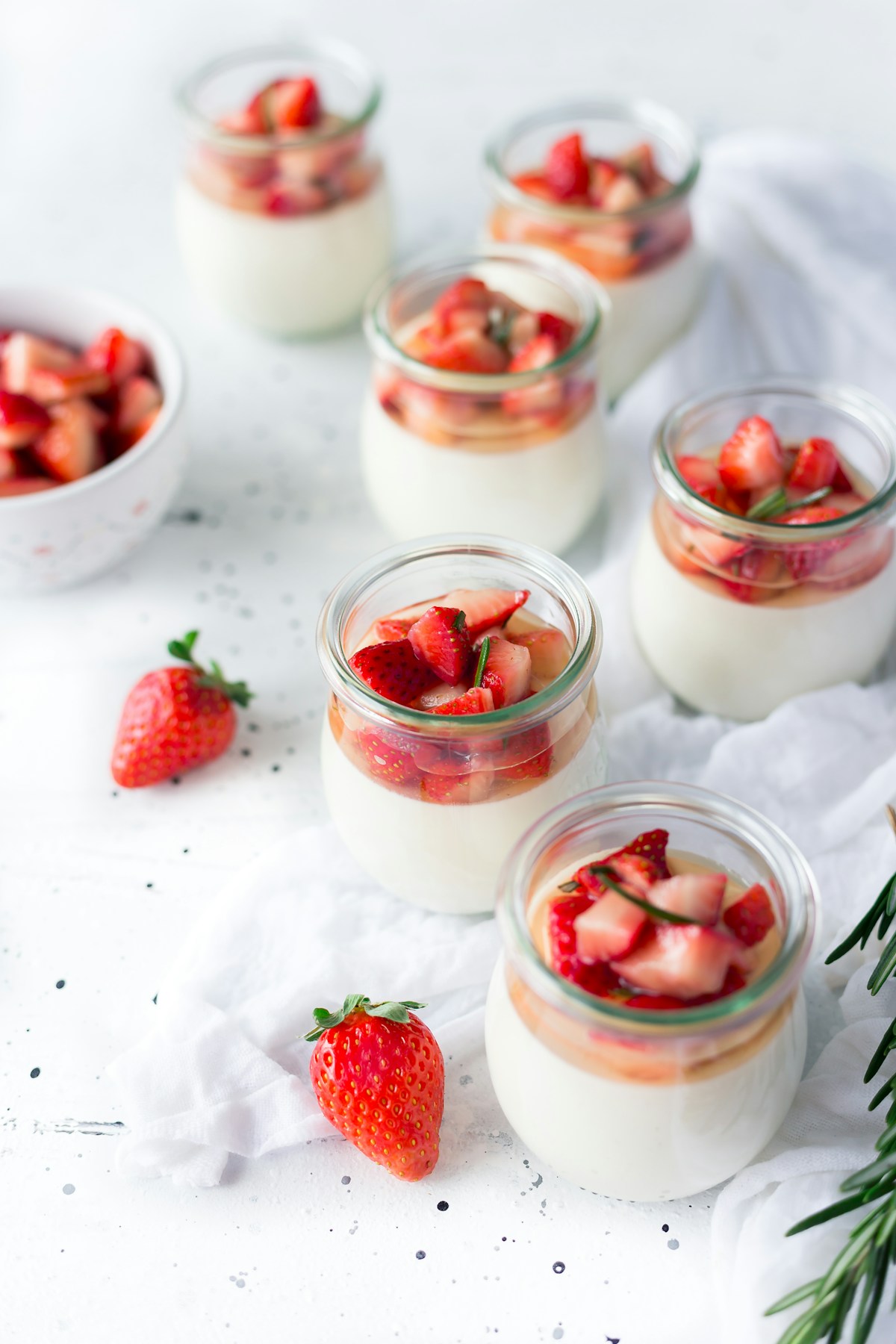
Cottage cheese has moved from quiet fridge staple to one of the most talked-about cooking ingredients of 2026. For home cooks, the appeal is simple: it is creamy, quick to use, easy to pair with sweet or savory flavors, and useful in meals that need a protein boost without a lot of extra prep.
Why Cottage Cheese Is Back in Home Cooking
High-protein eating is one of the strongest food trends this year, and cottage cheese sits right in the middle of it. Food industry coverage has pointed to renewed demand for protein-rich, minimally processed foods such as yogurt and cottage cheese, while social media has pushed cottage cheese into flatbreads, dips, pasta sauces, breakfast bowls, and desserts.
The good news is that you do not need to follow every viral recipe to use it well. Cottage cheese is most useful when treated as a flexible ingredient: part dairy, part sauce base, part snack, and part quick meal builder.
Choose the Right Texture for the Job
The first cottage cheese decision is texture. Some people love the curds as they are, especially in bowls or on toast. Others prefer it blended smooth, which makes it closer to a thick yogurt, ricotta-style spread, or creamy sauce.
- Keep it chunky: use it for bowls, toast, jacket potatoes, salads, and quick snacks.
- Blend it smooth: use it for dips, sauces, dressings, pancakes, and pasta.
- Warm it gently: stir into sauces off the heat or over low heat to avoid a grainy texture.
If you are cooking for someone who thinks they dislike cottage cheese, blending is often the best starting point. The flavor stays mild, but the texture becomes much easier to fold into familiar meals.
Make a Creamy Pasta Sauce
One of the easiest ways to cook with cottage cheese is to turn it into a quick pasta sauce. Blend cottage cheese with a splash of pasta water, black pepper, lemon juice, garlic, and a little olive oil. Toss it with hot pasta, then add peas, spinach, roasted vegetables, chicken, tuna, or beans.
The key is heat control. Cottage cheese can separate if it is boiled hard, so add the sauce after lowering the heat. The residual warmth from pasta is usually enough to bring everything together.
Use It in Breakfasts That Do Not Feel Repetitive
Cottage cheese works for sweet and savory breakfasts, which makes it helpful for busy mornings. For a sweet bowl, add berries, sliced banana, granola, nuts, or a spoonful of jam. For a savory bowl, add tomatoes, cucumber, herbs, cracked pepper, chili crisp, or a soft-boiled egg.
You can also stir blended cottage cheese into pancake batter, spread it on toast, or add a spoonful to scrambled eggs just before they finish cooking. These are small changes, but they make simple breakfasts feel more filling and more varied.
Turn It into a Dip or Spread
For a fast snack or party dip, blend cottage cheese with lemon, herbs, and a little seasoning. Dill, parsley, chives, basil, garlic, smoked paprika, and everything-bagel seasoning all work well. Serve it with raw vegetables, crackers, pita, toast, or roasted potatoes.
A smooth cottage cheese dip can also replace part of the mayonnaise or sour cream in some recipes. Try it in tuna salad, egg salad, potato salad, or a quick sandwich spread. Start with a partial swap so the flavor and texture still feel familiar.
Build Easy Lunches Around It
Cottage cheese can make lunch faster because it does not need cooking. Try it as the creamy layer in a grain bowl with rice, quinoa, lentils, or couscous. Add roasted vegetables, greens, pickles, herbs, and a sauce. It also works as a topping for baked potatoes, toast, or open sandwiches.
For US and UK readers, this is especially useful because it adapts to what is already in the fridge. Leftover roasted veg, salad leaves, tinned tuna, chickpeas, ham, smoked salmon, cucumber, tomatoes, and herbs can all turn cottage cheese into a complete lunch.
What to Watch for on the Label
Cottage cheese varies a lot by brand. Some versions are higher in sodium, some are creamier, and some are lower fat. The FDA recommends using the Nutrition Facts label and Percent Daily Value to understand how much a nutrient in one serving contributes to your daily diet. In the UK, front-of-pack and nutrition labels can also help compare products.
Instead of assuming one version is best, choose the one that fits how you plan to use it. A thicker cottage cheese may be better for bowls and toast, while a smoother or lower-salt version may be easier to use in sauces and dips.
Let AI Help with Flavor Pairings
Cottage cheese is flexible, but that flexibility can make it hard to choose a direction. HAiCook can help by turning a few ingredients into meal ideas. Try entering cottage cheese with spinach, eggs, tomatoes, pasta, herbs, or leftover roasted vegetables, then ask for a quick breakfast, lunch, or dinner idea.
This is where cottage cheese works best: not as a single trend recipe, but as a useful ingredient that helps you build practical meals from what you already have.
Conclusion
Cottage cheese deserves its comeback because it is genuinely useful in everyday cooking. Blend it into sauces, spoon it into bowls, spread it on toast, use it in dips, or add it to simple lunches. Keep the flavors familiar at first, then experiment once you know which textures you like.
The trend may have started online, but the best reason to keep cottage cheese in your kitchen is practical: it makes quick meals creamier, more flexible, and easier to pull together on busy days.