Why Sour Flavors Are Trending: How to Cook with Vinegar, Citrus, Pickles, and Brine
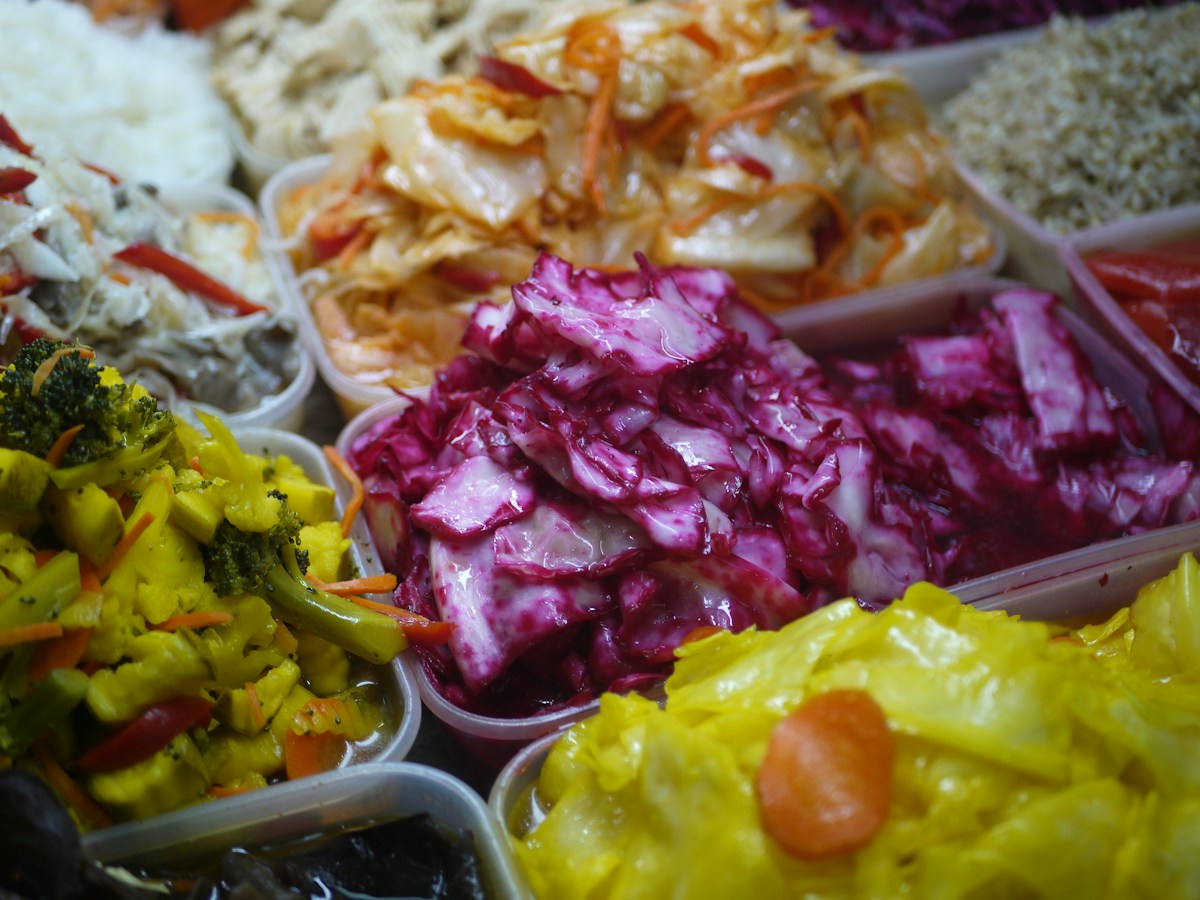
Sour food is having a vivid moment. Pickles are appearing far beyond sandwiches, vinegar is being treated as a finishing ingredient, and cooks are reaching for citrus, tamarind, cultured dairy, fermented vegetables, and brines to make familiar meals taste sharper and more alive.
The appeal is easy to understand. A small amount of acidity can brighten a slow-cooked stew, balance a rich sauce, sharpen sweet vegetables, or make a simple bowl of beans feel complete. The trend may look new on menus and social feeds, but sour flavor has deep roots in cuisines around the world. The useful lesson is not to make every dish aggressively tart. It is to learn how acidity creates contrast.
Why Sour Flavor Feels So Current
Recent food coverage has highlighted sharper, more complex flavor profiles as cooks look beyond heat alone for intensity. Vinegar, pickles, citrus, and fermented ingredients offer impact without requiring a long ingredient list. They also fit the renewed interest in condiments that can change the direction of an everyday meal.
Sourness is rarely working alone. Pickle brine can be salty, spiced, sweet, and acidic. Tamarind can taste fruity as well as tart. Yoghurt brings creaminess alongside acidity. This layering makes sour ingredients useful in everything from salads and soups to noodles, roasted vegetables, grilled foods, and desserts.
Acidity Balances Rather Than Erases
When food tastes heavy, dull, or overly sweet, acidity can provide contrast. A splash of vinegar may lift a bean stew. Lemon can cut through a buttery sauce. Pickled onions can make a rich sandwich feel fresher. The acid does not remove fat, salt, or sugar; it changes how the whole dish is perceived.
Before adding acid, check the seasoning. A dish that tastes flat may need salt, acidity, or both. Add one thing at a time, stir, and taste again. If the food becomes sharply sour without becoming more flavorful, it may need salt, sweetness, fat, or dilution rather than another acidic ingredient.
Choose Vinegar by Flavor, Not Only Strength
Different vinegars bring distinct aromas and levels of sweetness. Wine vinegars are versatile in dressings, sauces, and braises. Cider vinegar has a fruity edge that works with cabbage, apples, beans, squash, and pork. Rice vinegar is often gentler and suits noodles, cucumbers, rice dishes, and dipping sauces. Malt vinegar has a robust grain character, while balsamic-style vinegars can add sweetness and depth.
Use the vinegar named in a tested preservation recipe when pickling for storage; vinegars are not automatically interchangeable in that context. For ordinary cooking and finishing, choose one that complements the ingredients and start with a small splash.
Use Citrus in Layers
Citrus offers more than juice. The zest carries fragrant oils, the juice supplies acidity, and segments can add bursts of sweetness and texture. Add zest early enough to release its aroma into a marinade, crumb topping, grain dish, or sauce. Add fresh juice near the end when you want a brighter finish.
Lemon is flexible with vegetables, fish, chicken, beans, and creamy dishes. Lime pairs naturally with chillies, herbs, coconut, corn, avocado, and many noodle or rice dishes. Other locally available citrus can bring floral, bitter, or sweet notes. Taste before substituting because acidity and sweetness vary.
Treat Pickles as a Seasoning
Pickles add acid, salt, crunch, and often spice in one ingredient. Chop them into egg, potato, bean, chicken, or tuna salads. Layer them into sandwiches and wraps. Scatter pickled onions over tacos, grain bowls, curries, roasted vegetables, or rich stews. A small amount can provide the contrast that a dish is missing.
Explore beyond cucumber according to what is traditional or available in your area: pickled radish, cabbage, carrots, peppers, green beans, fruit, turnips, mustard greens, or mixed vegetables all behave differently. Respect the ingredient's culinary context rather than treating every pickle as interchangeable garnish.
Make Careful Use of Pickle Brine
Commercial pickle brine can be whisked into dressings, stirred into sauces, added to a soup that needs brightness, or used in a marinade. Because it may already contain substantial salt, sugar, garlic, herbs, and spices, taste it before adding other seasonings.
Do not use brine that has contacted raw meat as a finishing sauce unless it is handled according to reliable food-safety guidance. Brine that has held vegetables should not be reused to preserve a new batch: the vegetables alter its acidity. Use fresh, tested brine for preservation projects.
Remember the Wider World of Sour Ingredients
Vinegar and citrus are only the beginning. Tamarind contributes fruity tartness to dishes across South and Southeast Asia, as well as parts of Africa, the Middle East, Latin America, and the Caribbean. Sumac brings a dry, lemon-like character associated especially with cooking across the Middle East and neighbouring regions. Pomegranate molasses combines concentrated sweet and sour notes.
Yoghurt, cultured cream, buttermilk, sour cream, and fresh cheeses can add both tang and body. Fermented vegetables, sour fruits, tomatoes, wine, verjuice, dried limes, kokum, amchur, and souring leaves each belong to particular food traditions. Learn how an ingredient is used in its own culinary context before improvising with it.
Add Acid at the Right Moment
Acidity can be added early to shape a braise, marinade, or sauce, or late to preserve a fresh, sharp finish. Long cooking softens some of vinegar's aggressive aroma and blends it into the dish. A final squeeze of citrus remains more immediate and fragrant.
For marinades, follow a trusted recipe and pay attention to time; highly acidic mixtures can change the surface texture of proteins. For green vegetables, beans, soups, and pan sauces, adding some acid near the end often gives you more control. Split the amount between cooking and finishing when you want depth plus brightness.
Seven Easy Ways to Try the Trend
- Roasted vegetables: finish squash, carrots, cauliflower, or potatoes with cider vinegar or lemon.
- Beans and lentils: add wine vinegar, citrus, pickled onions, or a spoonful of tangy yoghurt.
- Noodles and rice: use rice vinegar, lime, tamarind, or pickled vegetables for contrast.
- Rich sandwiches: balance cheese, fried fillings, or creamy spreads with pickles or sharp slaw.
- Soups and stews: stir in acid one teaspoon or small splash at a time just before serving.
- Fruit: pair ripe fruit with lime, yoghurt, balsamic-style vinegar, or a pinch of tangy spice.
- Dressings: vary the acid while keeping the oil, seasoning, herbs, and mustard familiar.
Pickling and Fermentation Are Not the Same
Some pickles are made by adding vinegar; others become sour through fermentation. A vinegar pickle is not automatically fermented, and a fermented product is not automatically a probiotic food by the time it reaches the plate. Processing, storage, and the specific product all matter.
Refrigerator pickles are not shelf-stable simply because they contain vinegar. For canning or fermentation, use a current research-based recipe and do not alter the stated proportions of vinegar, food, salt, or water. Keep casual flavor experiments in ordinary meals separate from preservation projects where acidity is a safety control.
Keep the Trend Useful
A strong food trend earns a place in the kitchen when it teaches a repeatable skill. With sour flavor, that skill is tasting for contrast. Keep one or two acidic ingredients you genuinely enjoy, learn how they behave, and use them to finish meals rather than collecting condiments without a plan.
If you need new ideas for pairing a tangy ingredient with an everyday meal, HAiCook can help you explore fresh cooking inspiration. Start with a familiar dish, change one acidic element, and notice how the balance shifts.
Conclusion
The current enthusiasm for vinegar, citrus, pickles, brines, and fermented flavors reflects something cooks have long understood: sourness makes other flavors easier to notice. It can refresh rich food, sharpen sweetness, and give simple ingredients a more decisive finish.
Use acidity gradually, choose ingredients for their full flavor rather than sourness alone, and keep preservation safety separate from casual seasoning. The result should not merely taste sour. It should taste more complete.