How to Store Fresh Herbs: Keep Basil, Cilantro, Parsley, and Mint Fresher for Longer
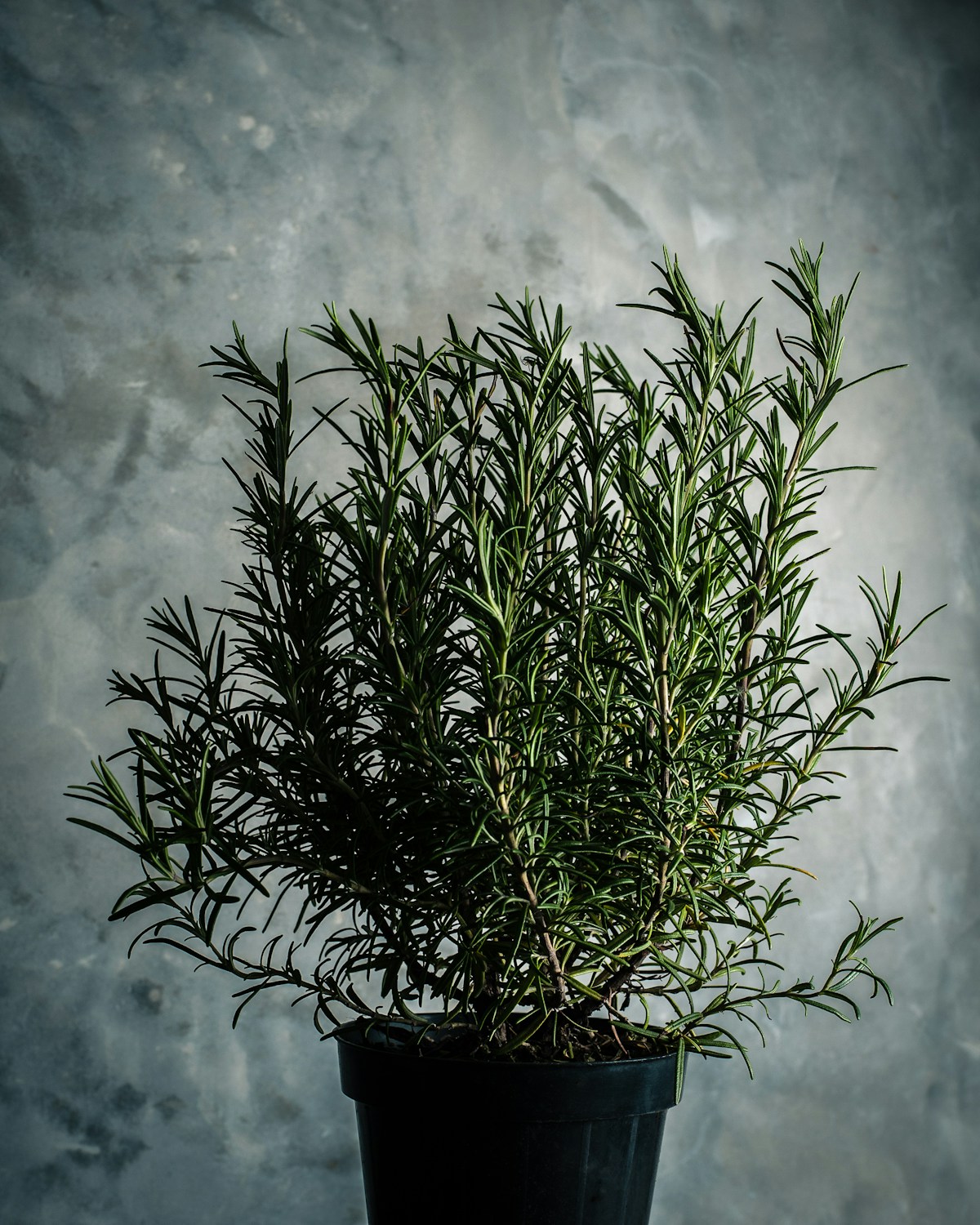
Fresh herbs are one of the fastest ways to make everyday food taste brighter. A handful of basil can turn tomatoes into dinner, cilantro can wake up tacos or curry, parsley can freshen pasta, and mint can make fruit, grains, and drinks feel summery. The problem is familiar: you buy a bunch for one recipe, use a few leaves, and find the rest wilted in the fridge a few days later.
Start by Sorting Your Herbs
The best storage method depends on the type of herb. Soft herbs have tender stems and delicate leaves. This group includes basil, cilantro, parsley, dill, mint, chives, and tarragon. Woody herbs have firmer stems and tougher leaves. This group includes rosemary, thyme, sage, oregano, and bay.
Soft herbs usually need moisture and gentle handling. Woody herbs are more forgiving and often last longer when wrapped and refrigerated. Basil is the exception that keeps everyone on their toes: it behaves like a warm-weather herb and can blacken in a cold fridge, so it often does better on the counter like a small bouquet.
Do Not Wash Too Early
Recent expert advice on herb prep keeps coming back to one simple rule: moisture matters. Herbs should be clean before you eat them, but washing them too early can shorten their life if they go into storage wet. If your herbs are muddy or sandy, gently rinse them in cold water, lift them out of the water so grit stays behind, and dry them very well with a salad spinner or clean towel.
If the herbs are already clean, wait to wash them until just before cooking. Avoid soap or produce washes. Cool running water and careful drying are enough for normal kitchen prep.
The Jar Method for Cilantro, Parsley, Dill, and Mint
For many soft herbs, the easiest storage method is the fresh-cut flower approach. Trim a small amount from the stems, place the bunch in a jar with an inch or two of water, loosely cover the leaves with a bag, and store it in the refrigerator. Change the water every few days and remove any yellowing or slimy leaves.
This works especially well for cilantro, parsley, dill, and mint. The stems stay hydrated while the leaves are protected from drying out. It also makes herbs easier to see, which means you are more likely to use them before they fade into the back of the fridge.
How to Store Basil
Basil is delicate and can turn dark when it gets too cold. If you have a fresh bunch with stems, trim the ends and keep it in a jar of water on the counter, away from direct sun and heat. Change the water if it gets cloudy. If you have loose basil leaves, store them loosely in a bag or container with a dry towel, then use them quickly.
Because basil bruises easily, handle it gently and cut it only when you are ready to use it. If it starts to wilt, turn it into pesto, basil oil, tomato salad, herb butter, or a quick sauce before the flavor disappears.
How to Store Woody Herbs
Rosemary, thyme, sage, and oregano need less babying. Remove any damaged pieces, wrap the herbs in a slightly damp paper towel, place them in a bag or airtight container, and refrigerate them. Keep the towel damp, not wet. Too much moisture can encourage spoilage, while too little can dry the herbs out.
Woody herbs are excellent for batch cooking because their flavor holds up to heat. Add rosemary to roasted potatoes, thyme to soups, sage to beans, and oregano to tomato sauces. If you have more than you can use fresh, dry them or freeze chopped leaves with a little oil.
Use the Stems
One of the easiest ways to waste fewer herbs is to stop treating all stems like scraps. Tender stems from cilantro, parsley, basil, and dill are flavorful and useful. Chop them finely into dressings, sauces, salsas, grain bowls, soups, and marinades. Mint stems can infuse water, tea, syrups, or fruit salads.
Woodier stems are tougher, but they can still flavor stocks, stews, and sauces. Add them while cooking, then remove them before serving. You get the flavor without leaving chewy stems in the final dish.
Freeze Herbs Before They Wilt
If you know you will not use a bunch in time, freezing is better than hoping. Chop soft herbs and freeze them in an ice cube tray with water, olive oil, or stock. Once frozen, move the cubes to a freezer bag or container. They will not be ideal as a fresh garnish, but they are excellent in soups, sauces, curries, stews, and pasta.
For basil, blend leaves with olive oil before freezing to help preserve color and flavor. For parsley and cilantro, freeze chopped leaves and stems separately if you want more control. Label the container so future you does not have to guess what the green cube is.
Quick Ways to Use Extra Herbs
When you have half a bunch left, think in sauces and finishing touches. Soft herbs can become green sauce, chimichurri, pesto, yogurt dip, salad dressing, compound butter, herb omelette, or a generous garnish for bowls and sandwiches. Mint can go into fruit salads, iced tea, lemonade, peas, yogurt, or grain salads.
A Simple Herb Storage Cheat Sheet
- Basil: keep on the counter in a jar of water, away from direct heat and sun.
- Cilantro and parsley: trim stems, place in water, loosely cover, and refrigerate.
- Mint and dill: store like a bouquet in the fridge, or wrap gently if space is limited.
- Chives: wrap in a barely damp towel and refrigerate in a bag or container.
- Rosemary, thyme, sage, oregano: wrap in a slightly damp towel and refrigerate.
- Extra herbs: freeze in cubes, blend into sauces, or dry hardy herbs for later.
Conclusion
Fresh herbs last longer when they are stored according to how they grow and how delicate they are. Keep soft herbs hydrated but not wet, treat basil gently, wrap woody herbs, and freeze extras before they wilt. These small habits help you get more flavor from every bunch and waste less food along the way.
Once herbs are easy to store, they become easier to use. A small handful can make simple eggs, rice, pasta, salads, beans, fish, chicken, tofu, or leftovers taste like something you meant to cook.