Ingredient-First Meal Planning: How to Cook More and Waste Less
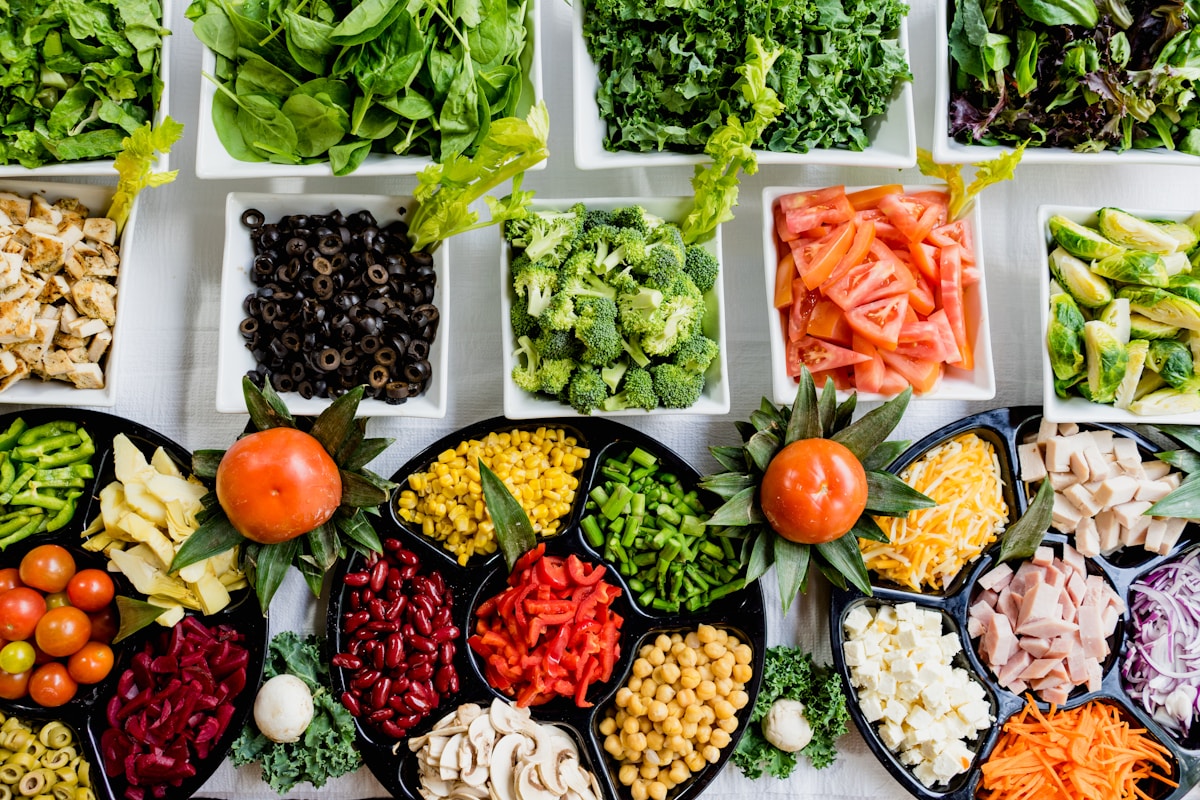
Ingredient-first meal planning is a simple shift: instead of planning one isolated recipe at a time, you plan around the fresh ingredients you already have, the ones you need to use soon, and the groceries that can work across several meals.
Why Ingredient-First Planning Is Having a Moment
Home cooks in the US and UK are dealing with a familiar mix of pressures: busy weeks, higher grocery bills, crowded fridges, and the quiet frustration of throwing away food that was perfectly good a few days earlier. Recent food trend reports point to the same practical mood: people want flexible, flavorful home cooking that makes better use of what they buy.
That is where ingredient-first meal planning helps. Traditional meal planning often starts with a list of recipes, then sends you shopping for every missing item. Ingredient-first planning starts with what is already in your kitchen. The question changes from "What recipe do I want?" to "What meals can I build from this spinach, those peppers, the open tub of yogurt, and the rice in the pantry?"
Start With a Quick Kitchen Scan
Before you write a shopping list, spend five minutes checking the fridge, freezer, and pantry. Look for ingredients that are already open, close to their best, or easy to forget. Leafy greens, herbs, cooked grains, dairy, berries, mushrooms, and half-used jars are common candidates.
Make a short "use first" list. It does not need to be fancy. A note on your phone is enough. Group ingredients by how soon they need attention:
- Use today or tomorrow: delicate leaves, cut fruit, cooked leftovers, fresh fish, opened soft cheese.
- Use this week: peppers, carrots, broccoli, yogurt, eggs, cooked grains, tofu, cooked beans.
- Keep for later: frozen vegetables, dried pasta, rice, lentils, canned tomatoes, spices, unopened sauces.
This small habit prevents double-buying and makes your weekly meals feel more intentional without becoming rigid.
Build Meals Around Ingredient Overlap
The easiest way to waste less food is to make one ingredient useful in more than one meal. If you buy a bag of spinach, do not assign it to only one salad. Plan three uses: a breakfast omelet, a pasta dish, and a grain bowl. If you roast a tray of sweet potatoes, use them with eggs, in tacos, and alongside chicken or beans.
Ingredient overlap also makes cooking feel faster. You are not starting from scratch every night. A cooked base can become several different dinners when you change the sauce, protein, or texture.
- Roasted vegetables: add to wraps, couscous bowls, omelets, pasta, or soup.
- Cooked rice: use for fried rice, burrito bowls, rice salads, or quick congee-style breakfasts.
- Fresh herbs: blend into sauces, stir into yogurt, finish soups, or freeze in oil.
- Beans or lentils: turn into salads, stews, toast toppers, or vegetarian taco fillings.
Plan Flexible Meal Types, Not Just Recipes
A strict recipe schedule can fall apart when plans change. A flexible meal type gives you room to adapt. Instead of writing "chicken fajitas on Tuesday," try "wrap night with peppers, onions, protein, and yogurt sauce." If chicken is not available, beans, tofu, eggs, or leftover roast vegetables can still work.
This approach is especially useful for families, shared households, or anyone cooking around mixed preferences. You can keep the same structure and adjust the ingredients. HAiCook can help here by turning available ingredients into recipe ideas, then adapting them for dietary preferences, cooking time, or cuisine style.
Shop With Quantities and Backup Uses
Many grocery lists say "salad leaves" or "chicken" without saying how much or what happens if plans change. A stronger list includes quantities and backup uses. For example, write "spinach for two lunches plus one pasta" or "Greek yogurt for breakfast, sauce, and marinade." This keeps you from overbuying and makes each item earn its place.
When you buy larger packs because they are better value, decide immediately what will be frozen, cooked, or used twice. Bulk buying only saves money when the food is actually eaten.
Use Safe Storage to Stretch Freshness
Better planning works best when paired with safe storage. Keep chilled foods cold, store leftovers promptly, and label containers so they do not become mystery boxes. In the US, food safety guidance commonly recommends keeping refrigerators at 40 degrees F or below. In the UK, the Food Standards Agency advises keeping chilled food cold and paying attention to use-by dates for safety.
For everyday cooking, clear containers can make a real difference. If you can see cooked grains, sliced vegetables, or leftover sauce, you are more likely to use them. Your freezer is also part of the plan: freeze bread, chopped fruit, cooked beans, sauces, and portions of leftovers before they pass their best.
A Simple Three-Day Ingredient-First Plan
Here is what ingredient-first planning can look like with a few shared ingredients: spinach, cherry tomatoes, eggs, cooked rice, yogurt, and a protein such as chicken, tofu, or chickpeas.
- Day 1: rice bowl with protein, spinach, tomatoes, and a lemon-yogurt sauce.
- Day 2: omelet or tofu scramble with spinach and tomatoes, served with toast or leftover rice.
- Day 3: quick fried rice with remaining spinach, protein, egg, and any extra vegetables.
The meals taste different, but the ingredients overlap. That is the sweet spot: less waste, fewer decisions, and enough variety to keep dinner interesting.
How AI Can Make This Easier
Ingredient-first cooking is practical, but it still requires ideas. This is where AI recipe tools can be genuinely useful. Instead of searching for a recipe that matches one ingredient, you can enter several ingredients at once and ask for meals that fit your time, diet, and cooking equipment.
With HAiCook, a home cook can start from what is already in the fridge, generate meal ideas, collect recipes, and turn selected dishes into a shopping list. The best use of AI is not to make cooking more complicated. It is to make everyday decisions lighter.
Conclusion
Ingredient-first meal planning is not about perfection. It is about making groceries easier to use, leftovers easier to love, and weeknight cooking less wasteful. Start with a quick kitchen scan, choose ingredients that can appear in more than one meal, and shop with quantities in mind.
Once you build the habit, your fridge starts to feel less like a place where ingredients disappear and more like a starting point for flexible, satisfying meals.