Late-Summer Skillet Dinners: Easy One-Pan Meals with Tomatoes, Corn, and Zucchini
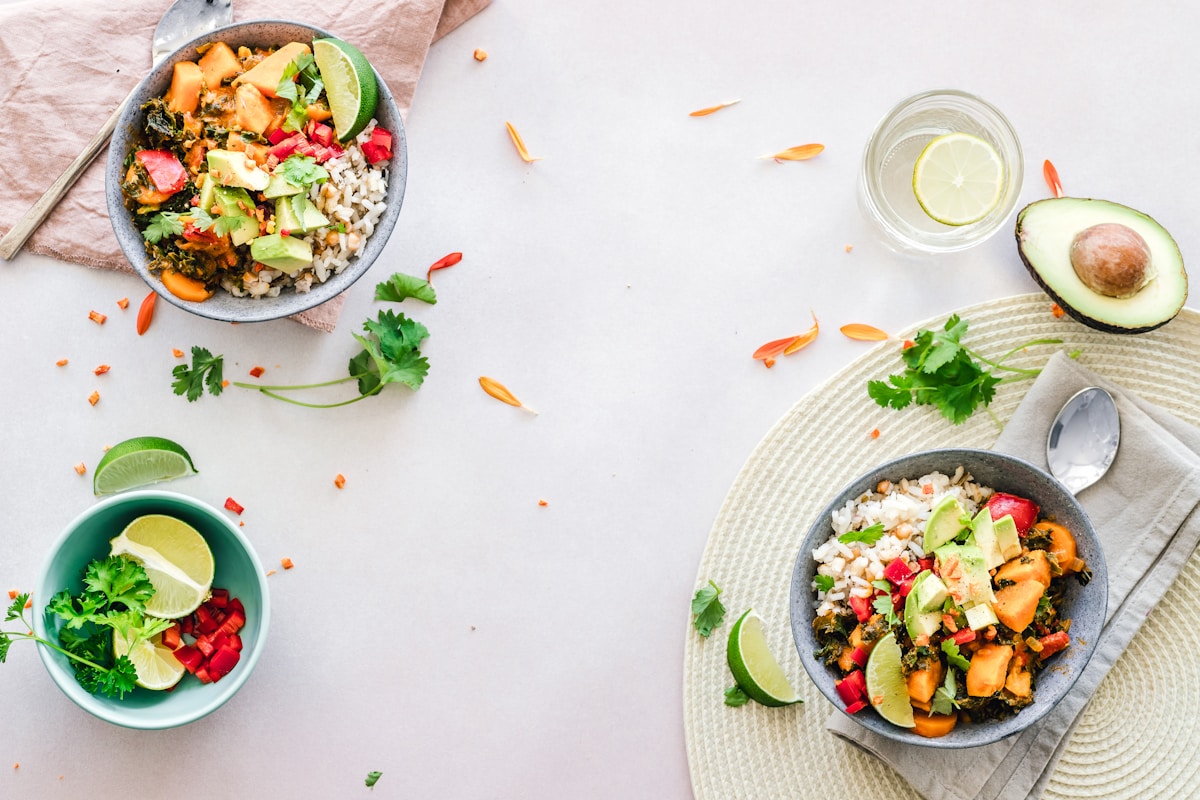
Late summer is generous, but it can also be messy. Tomatoes soften faster than expected, corn piles up after a weekend shop, courgettes and zucchini seem to multiply overnight, and herbs wilt if you forget them for two days. A skillet dinner is one of the easiest ways to turn that abundance into a real meal without creating a sink full of dishes.
Recent food coverage is leaning into no-fuss skillet dinners, one-pot pastas, peak-produce sides, and flexible cooking strategies for people who do not want rigid meal prep. The useful idea is simple: use one pan, cook ingredients in the right order, and let late-summer produce bring most of the flavor.
Why Skillet Dinners Work in August
A skillet gives you speed, browning, and flexibility. You can soften onions, blister corn, collapse tomatoes into a sauce, crisp chickpeas, warm beans, sear chicken, cook prawns, or finish eggs all in the same pan. That matters in August, when many ingredients are already flavorful and only need a short cook.
Skillet meals also help with food waste. Instead of waiting until you have the exact ingredients for a recipe, you can build dinner around what needs using first: a handful of cherry tomatoes, half a courgette, a cooked grain, a tin of beans, or leftover roast chicken.
Use a Three-Part Formula
Most one-pan summer dinners need a vegetable base, a satisfying protein, and a starchy or saucy element. The vegetable base might be tomatoes, corn, zucchini, courgettes, peppers, mushrooms, aubergine, spinach, kale, or green beans. The protein can be eggs, beans, lentils, chickpeas, tofu, chicken, turkey, fish, prawns, halloumi, feta, or leftover meat.
The final element makes the skillet feel like dinner. Add cooked rice, orzo, pasta, potatoes, couscous, tortillas, toast, gnocchi, or crusty bread. Or make the vegetables saucy enough to spoon over something you already have.
Cook in the Right Order
The biggest skillet mistake is adding everything at once. Start with ingredients that need time: onions, peppers, aubergine, mushrooms, raw chicken, potatoes, or firm courgettes. Add quick-cooking produce later, especially tomatoes, corn, greens, herbs, prawns, or cooked beans.
For better texture, give watery vegetables space. Courgettes and zucchini brown better in a wide pan over medium-high heat. Tomatoes can go in later, when you want them to burst and become saucy. Corn only needs a few minutes to taste sweet and lightly toasted.
Turn Tomatoes into a Quick Sauce
Late-summer tomatoes are the easiest skillet shortcut. Cook garlic or onion in olive oil, add tomatoes with salt, and let them collapse. Cherry tomatoes burst quickly; chopped larger tomatoes take a little longer. Once saucy, add beans, pasta, eggs, fish, prawns, chicken, or vegetables.
Finish with basil, parsley, coriander, lemon, chilli flakes, pesto, yoghurt, or cheese. The sauce can go Mediterranean with feta and oregano, Italian-inspired with basil and mozzarella, Mexican-inspired with corn and black beans, or simple and British with eggs, greens, and toast.
Make Corn and Zucchini Feel Like Dinner
Corn and zucchini are useful because they cook quickly and work with many proteins. For a vegetarian skillet, saute courgettes, add corn, stir in white beans or chickpeas, then finish with pesto or a lemony yoghurt sauce. For a faster family dinner, add cooked chicken and serve with rice or wraps.
If the pan starts to look dry, add a splash of stock, pasta water, tomato juice, or lemon. If it tastes flat, add acid, salt, herbs, or a spoonful of something punchy such as salsa, mustard, pesto, tahini, or chilli crisp.
Five Late-Summer Skillet Ideas
- Tomato, bean, and egg skillet: simmer tomatoes with garlic, add white beans, crack in eggs, and serve with toast.
- Corn, courgette, and chicken rice skillet: saute courgettes, add corn and cooked chicken, then fold through rice with lemon and herbs.
- Pesto chickpea skillet: crisp chickpeas, add zucchini and tomatoes, then finish with pesto and mozzarella or feta.
- Prawn and orzo skillet: cook orzo in a tomato-corn base, then add prawns near the end so they stay tender.
- Halloumi pepper skillet: brown halloumi, cook peppers and tomatoes, then serve with couscous, salad leaves, or flatbread.
Keep Ingredients Flexible
Use the words and products that match what is available locally: zucchini or courgettes, corn or sweetcorn, tortillas or pittas, black beans or tinned beans, Monterey Jack, halloumi, cheddar, herbs, or jacket potato leftovers. The ingredients are interchangeable, so let your own kitchen guide the final mix.
If you are cooking for mixed preferences, keep toppings separate: herbs, cheese, hot sauce, yoghurt, pickles, avocado, or crunchy breadcrumbs. The skillet can stay simple while each person adjusts their bowl or plate.
Plan One Skillet, Then Reuse the Components
Skillet dinners become even more useful when you cook a little extra. Extra tomato-corn sauce can become pasta tomorrow. Cooked courgettes can go into an omelette. Beans can become toast topping. Leftover rice can become a quick lunch bowl.
This is a softer version of meal prep: cook more of the flexible parts while the pan is already hot, but avoid prepping delicate textures that will not improve overnight.
Conclusion
Late-summer skillet dinners are practical because they match the season: abundant produce, busy schedules, and a desire for less cleanup. Start with what needs using first, cook in layers, add a protein, and finish with a base or sauce that makes the pan feel complete. With tomatoes, corn, zucchini, peppers, beans, eggs, and herbs, one pan can carry you through many August dinners.