Late-Summer Soup Ideas: Easy Bowls for Warm Days and Cooler Nights
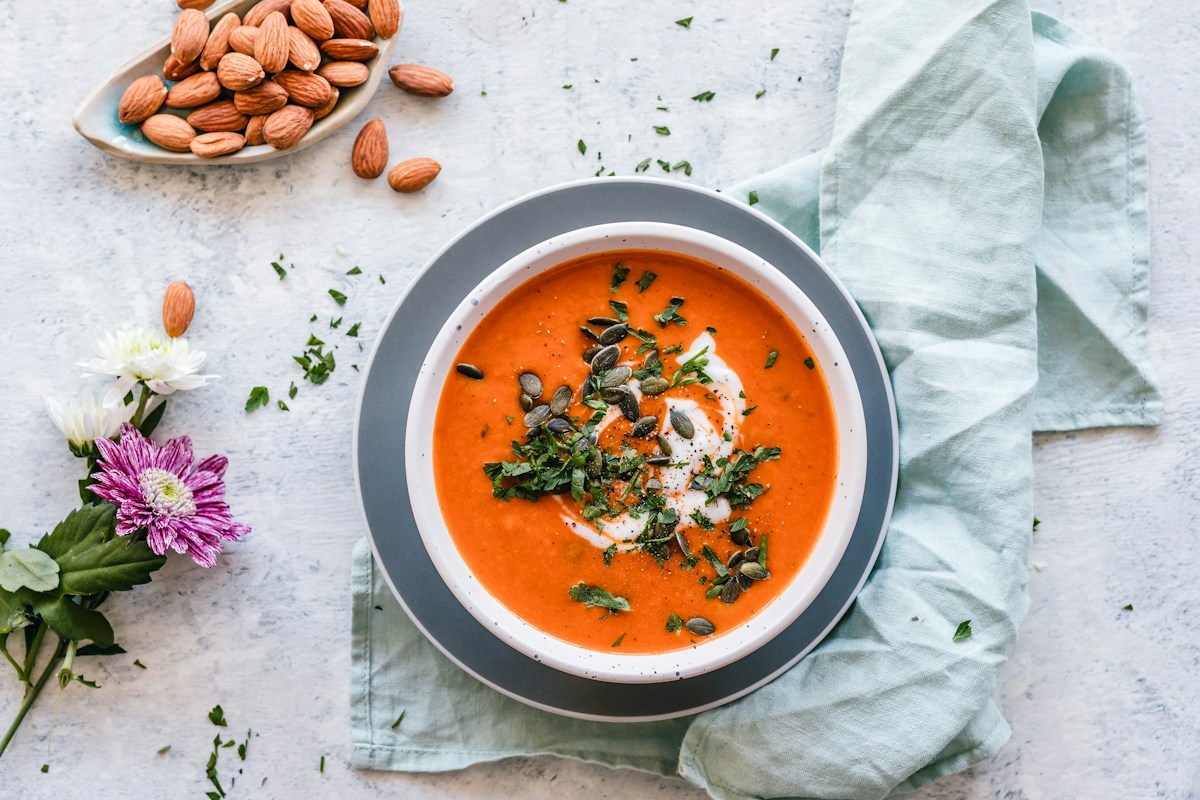
Late summer is soup weather in disguise. The afternoons can still feel too warm for anything heavy, but evenings start to hint at fall. Tomatoes are soft and sweet, corn is still around, courgettes and zucchini need using, herbs are plentiful, and beans or grains can turn a light bowl into dinner.
Recent food coverage is leaning into exactly this seasonal bridge: late-summer soups, end-of-summer produce, simple Mediterranean meals, and easy dinners before summer disappears. Soup is a practical way to use that moment without committing fully to autumn cooking.
Think of Soup as a Flexible Formula
A useful soup needs a base, produce, protein or body, and a bright finish. The base might be tomato, stock, coconut milk, blended vegetables, beans, lentils, yoghurt, or a quick broth. Produce can include tomatoes, corn, peppers, courgettes, zucchini, cucumbers, greens, carrots, celery, herbs, peaches, or even leftover roasted vegetables.
For body, use beans, lentils, chickpeas, chicken, fish, prawns, tofu, pasta, rice, potatoes, barley, couscous, or bread. Finish with lemon, lime, herbs, pesto, chilli oil, yoghurt, cheese, vinegar, or olive oil so the soup tastes lively rather than flat.
Match the Soup to the Weather
On warm days, choose chilled or barely warm soups. Tomato gazpacho, cucumber-yoghurt soup, corn chowder served just warm, or blended courgette soup with mint can feel refreshing. On cooler evenings, shift toward lentil soup, tomato-bean soup, chicken and rice soup, barley soup, or chickpea stew.
The same ingredients can move either direction. Tomatoes can become chilled gazpacho or a hot tomato and white bean soup. Corn can become a cold salad-style soup or a warm chowder. Courgettes can be blended into a light soup or cooked with beans and pasta for a fuller meal.
Use Tomatoes Before They Go Soft
Soup is one of the best rescue plans for tomatoes that are too soft for slicing but still taste good. Cook them with onion, garlic, olive oil, and salt until they collapse, then blend or leave chunky. Add white beans, basil, pasta, rice, or eggs to make it dinner.
If you have cherry tomatoes, roast or blister them first for deeper flavor. If the tomatoes taste too sharp, add a carrot, a pinch of sugar, cream, coconut milk, or a spoonful of pesto. If they taste dull, add vinegar, lemon, or more salt.
Make Corn and Courgettes Work Harder
Corn brings sweetness, while courgettes and zucchini bring softness and body. For a quick summer chowder, cook onion, corn, diced courgette, potatoes, and stock, then blend part of the pot to thicken it. Add milk, cream, oat milk, or coconut milk only at the end if you want richness.
For a lighter version, skip the cream and finish with lime, coriander, basil, chilli, or yoghurt. Add beans or chicken when the soup needs more protein.
Five Late-Summer Soup Ideas
- Tomato and white bean soup: soft tomatoes, garlic, white beans, basil, olive oil, and toast.
- Corn and courgette chowder: corn, courgettes or zucchini, potatoes, stock, herbs, and yoghurt or cream.
- Chickpea lemon soup: chickpeas, greens, rice or orzo, lemon, herbs, and a little tahini or yoghurt.
- Gazpacho-style tomato bowl: tomatoes, cucumber, pepper, bread, olive oil, vinegar, and herbs, served chilled.
- Chicken, rice, and summer vegetable soup: leftover chicken, rice, tomatoes, sweetcorn, greens, and stock.
Build Soup for Meal Prep
Soups can be meal-prep friendly, but not every ingredient should sit in the pot for days. Keep pasta, rice, crunchy toppings, herbs, yoghurt, and lemon separate when possible. Add them when reheating or serving so the soup stays fresh.
If freezing, choose soups without delicate dairy, cooked pasta, or raw herbs. Tomato-bean soup, lentil soup, chicken broth-based soup, and blended vegetable soup usually freeze better than creamy or noodle-heavy soups.
Make It Flexible for Your Kitchen
Think in flexible ingredient pairs: zucchini or courgettes, corn or sweetcorn, black beans or tinned beans, rice or pearl barley, tortillas or pittas, chilli toppings, cheddar toasties, yoghurt, chicken, or tofu. The core approach is the same: use what is seasonal, add something filling, and finish with brightness.
Soup is also helpful for mixed households. Keep toppings separate: cheese, croutons, chilli oil, herbs, yoghurt, seeds, avocado, or toasted bread. One pot can serve several preferences.
Conclusion
Late-summer soups are a gentle bridge between hot-weather meals and fall comfort food. Use tomatoes, corn, courgettes, beans, herbs, rice, pasta, or leftover proteins, then adjust the temperature, texture, and toppings to match the day. A good soup can be chilled, light, hearty, or freezer-friendly, which makes it one of the easiest ways to cook through the end of August.