Meal Planning Made Easy: A Beginner's Guide
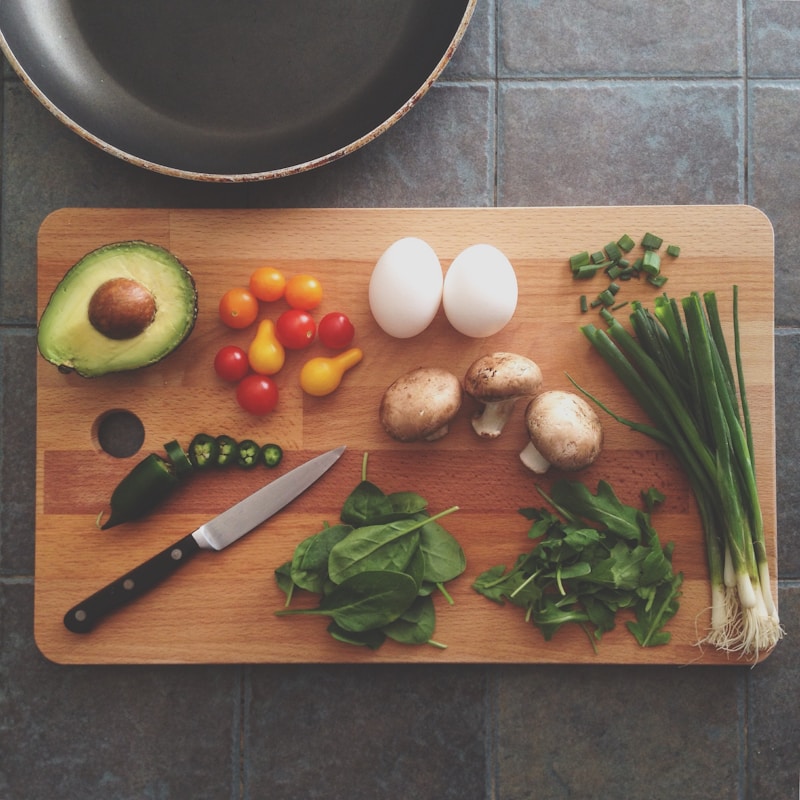
Meal planning transforms cooking from a daily stressor into an organized, efficient process. Whether you're cooking for one or feeding a family, these strategies will help you plan meals that save time, money, and mental energy.
Why Meal Planning Works
The average person makes over 200 food decisions every day. By planning meals in advance, you eliminate decision fatigue and reduce stress around the perpetual question: "What's for dinner?"
Studies show that people who meal plan eat healthier, waste less food, and save an average of $50-100 per week on groceries. They also spend less time cooking because they can batch prep ingredients efficiently.
Step 1: Choose Your Planning Day
Set aside 30-45 minutes once a week for meal planning. Many people choose Sunday, but pick whatever day works for your schedule. Consistency is key—make it a regular habit.
During this time, you'll review your schedule, choose recipes, create a shopping list, and prep anything you can in advance.
Step 2: Assess Your Week
Look at your calendar and identify busy nights that need quick meals versus evenings when you have more time to cook. Be realistic about your energy levels and commitments.
Quick meal nights: Stir-fries, sheet pan dinners, or slow cooker meals
Leisurely nights: More involved recipes or new dishes you want to try
Leftover nights: Plan to use previous meals creatively
Step 3: Choose Your Recipes
Start with 3-5 dinner recipes for the week. You don't need to plan every single meal—leave room for flexibility and leftovers.
Follow these guidelines:
• Include at least one meal you can make in bulk for leftovers
• Choose recipes with overlapping ingredients to reduce waste
• Mix familiar favorites with one new recipe for variety
• Consider protein variety (chicken, fish, vegetarian, etc.)
• Plan one super-simple meal for your busiest night
Step 4: Create Your Shopping List
Check your pantry, fridge, and freezer before making your list. Nothing wastes money faster than buying ingredients you already have.
Organize your list by store sections (produce, dairy, meat, pantry) to make shopping more efficient. Many apps like HAiCook can automatically generate organized shopping lists from your chosen recipes.
Buy only what you need for your planned meals, plus staples that are running low. Avoid impulse purchases that don't fit into your plan.
Step 5: Prep in Advance
After shopping, spend 1-2 hours on prep work:
• Wash and chop vegetables
• Marinate proteins
• Cook grains and legumes
• Make sauces or dressings
• Portion snacks
Store everything in clear containers so you can see what you have. Label containers with dates to track freshness.
Theme Nights Strategy
Many families find success with theme nights, which simplify decision-making:
Monday: Meatless Monday (vegetarian meals)
Tuesday: Taco Tuesday (Mexican-inspired)
Wednesday: One-Pot Wednesday (easy cleanup)
Thursday: Throwback Thursday (comfort food favorites)
Friday: Fast Friday (quick 20-minute meals)
Themes provide structure while still allowing variety within each category.
Dealing with Change
Life happens, and plans change. Build flexibility into your system:
• Keep 2-3 backup "emergency" meals in the freezer
• Stock pantry staples for quick improvised meals
• Don't stress if you eat out—adjust the next day's plan
• Unused ingredients can become next week's meals
The goal is progress, not perfection. Even planning 3-4 meals per week is better than planning none.
Tools and Apps to Help
Technology can make meal planning even easier:
• HAiCook: AI-powered recipe suggestions based on your ingredients and preferences
• Calendar apps: Set reminders for meal planning and prep days
• Note-taking apps: Keep running lists of favorite recipes and meals your family enjoys
• Grocery apps: Many stores offer click-and-collect or delivery to save even more time
Common Mistakes to Avoid
- Over-planning: Start small with 3-4 meals, not all 21 meals per week
- Choosing too many new recipes: Stick mostly to familiar dishes
- Ignoring your schedule: Don't plan complicated meals for busy nights
- Not considering leftovers: Most recipes serve 4-6; plan to use them
- Being too rigid: Allow flexibility when plans change