Mise en Place Meal Prep: A Flexible Way to Make Weeknight Cooking Easier
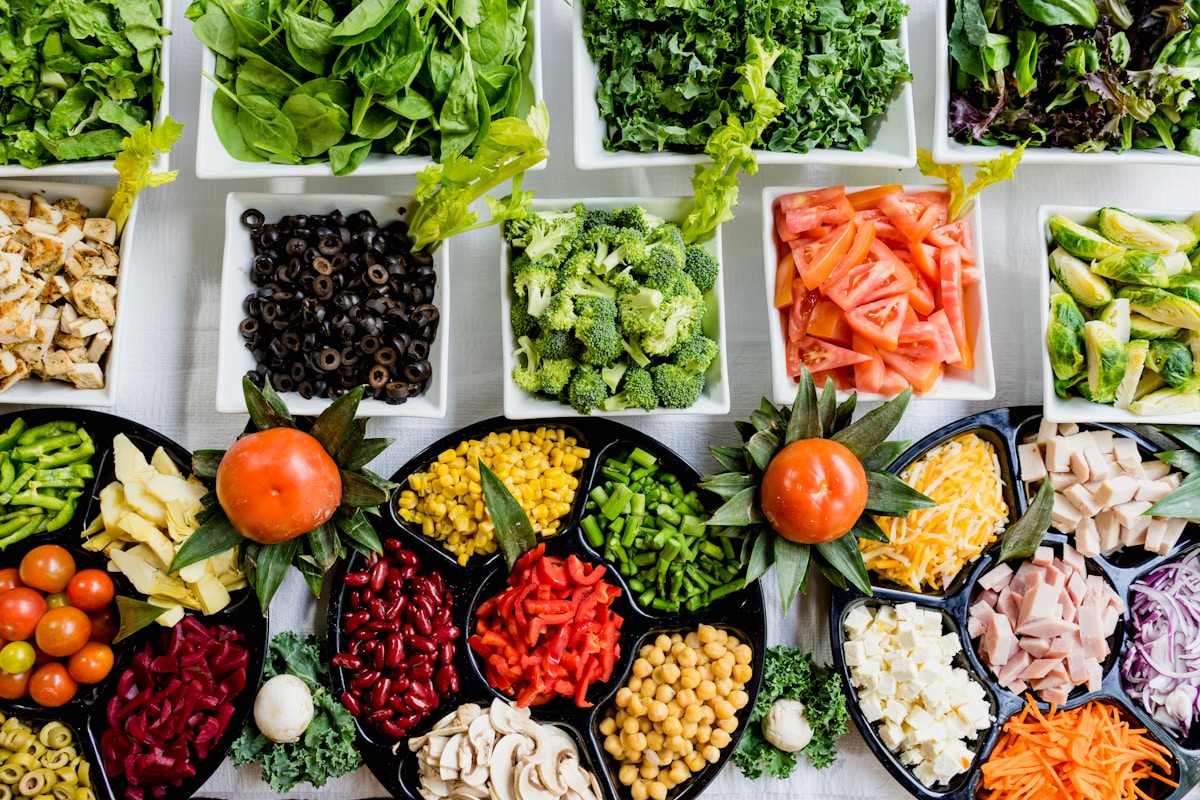
Meal prep does not have to mean eating the same boxed lunch four days in a row. A more flexible approach borrows from restaurant kitchens: prep the ingredients, not every finished meal. Wash greens, chop vegetables, cook a grain, mix a sauce, roast one tray of vegetables, or marinate a protein, then combine those pieces differently during the week.
This style is often called mise en place, the habit of getting ingredients ready before cooking. Recent food coverage is highlighting exactly this kind of component prep for hectic September schedules. It works especially well for home cooks who want quicker dinners without surrendering all spontaneity.
Why Component Prep Feels Less Rigid
Traditional meal prep can be useful, but it can also become tiring by Wednesday. Component prep gives you building blocks instead: cooked rice or barley, washed salad leaves, chopped peppers, roasted squash, boiled eggs, lentils, beans, shredded chicken, yoghurt sauce, vinaigrette, or chopped herbs. You can turn those pieces into bowls, wraps, soups, toasties, salads, omelettes, or quick skillet meals.
The goal is not to finish every dinner in advance. The goal is to remove the slowest, messiest, most decision-heavy steps. When vegetables are already washed and a sauce is already mixed, a weeknight meal can feel like assembly plus a little heat.
Pick Three Prep Categories
Start small. Choose one vegetable task, one filling task, and one flavor task. For vegetables, wash and dry greens, chop carrots, slice peppers, cube squash, trim green beans, or roast a tray of courgettes or zucchini. For filling ingredients, cook rice, couscous, quinoa, pasta, lentils, beans, chicken, tofu, or eggs. For flavor, make pesto, mustard vinaigrette, tahini sauce, yoghurt-herb sauce, chilli oil, salsa, or a quick pickle.
If you only have 30 minutes, do not prep everything. Prep the thing that usually stops you from cooking. For some people, that is chopping onions. For others, it is washing lettuce, cooking grains, or figuring out a sauce.
Build a Week of Flexible Meals
Once you have components, make meals by changing the format. Roasted vegetables, chickpeas, and yoghurt sauce can become a warm bowl on Monday, a wrap on Tuesday, and a soup topping on Wednesday. Cooked lentils can become a salad with apples and cheddar, a tomato stew with eggs, or a filling for jacket potatoes.
Try thinking in templates: grain bowl, salad, sandwich, soup, skillet, pasta, tray bake, toastie, breakfast-for-dinner. The same ingredients feel different when the texture, sauce, and serving style change.
Good September Ingredients for Mise en Place
September is perfect for this method because summer and fall produce overlap. Tomatoes, peppers, courgettes, zucchini, cucumbers, herbs, corn, green beans, apples, pears, squash, mushrooms, cabbage, potatoes, and sweet potatoes can all become useful components.
For flexible planning, choose ingredients based on what is available in your area and what you already enjoy cooking. Sweet potatoes, new potatoes, tinned beans, cooked grains, cabbage, courgettes, zucchini, corn, sausages, chicken, tofu, mature cheese, herbs, and mustard dressings can all fit the same simple system.
Five Component Prep Ideas
- Roasted vegetable tray: squash, peppers, onions, courgettes, zucchini, carrots, or potatoes for bowls, wraps, and sides.
- Cooked grain or pulse: rice, barley, quinoa, lentils, chickpeas, or white beans for fast lunches and dinners.
- Crunch box: washed greens, sliced cucumbers, shredded cabbage, grated carrots, apple slices, and radishes.
- Protein starter: boiled eggs, shredded chicken, marinated tofu, cooked sausages, salmon flakes, or seasoned beans.
- One strong sauce: lemon tahini, pesto, yoghurt herbs, mustard vinaigrette, salsa verde, or chilli-lime dressing.
Keep Food Safety Practical
Component prep only helps if ingredients stay fresh and safe. Cool cooked foods before storing, refrigerate leftovers promptly, and keep raw meat, poultry, seafood, and their juices away from ready-to-eat foods. Use clean containers, label anything easy to forget, and reheat cooked foods thoroughly when needed.
Texture matters too. Store crunchy vegetables separately from wet sauces. Keep herbs loosely wrapped or in a small container with a paper towel. Add acidic dressings to delicate greens just before eating, but use vinaigrette on sturdy cabbage, carrots, or chickpeas when you want flavor to build.
Make It Easier to Decide What to Cook
The hardest part of dinner is often the decision, not the cooking. Once a few prepared ingredients are waiting, you can choose a format that matches your energy: a bowl when you want something hearty, a salad when you want crunch, soup when the weather cools, or a wrap when time is short.
If your usual meals start to feel repetitive, HAiCook can help you discover fresh cooking inspiration and make everyday meal planning feel easier. Keep the focus on the ingredients you have prepared, then adapt the final meal to your appetite, schedule, and local availability.
Conclusion
Mise en place meal prep is a calmer way to handle busy weeknights. Instead of committing to a rigid menu, prepare a few useful ingredients that can become several meals. With washed vegetables, one filling base, and a good sauce, dinner becomes faster, less wasteful, and easier to adapt to the season, your appetite, and whatever life does after 5 p.m.