No-Cook Summer Meals: Easy Dinner Ideas for Hot Days
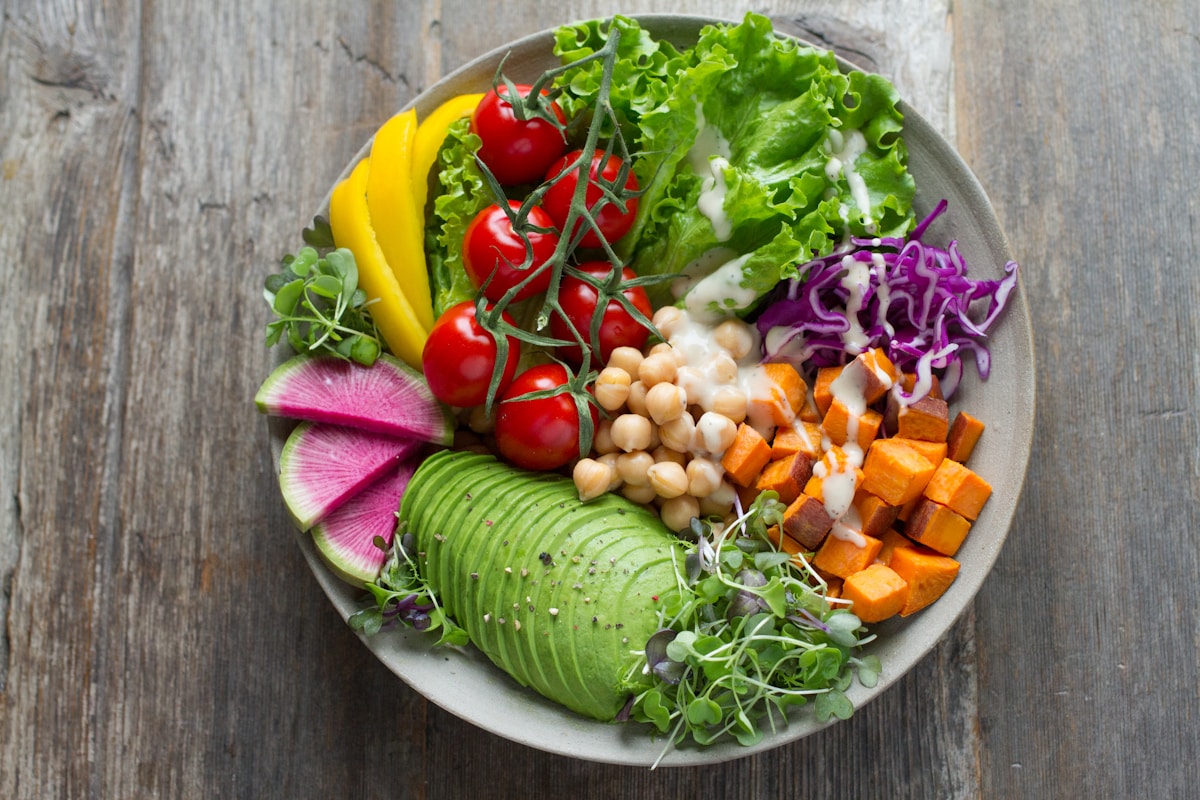
When the kitchen feels too warm to face, dinner does not have to mean takeout or another bowl of cereal. No-cook summer meals are built from fresh produce, pantry staples, ready-to-eat proteins, chilled sauces, and smart assembly. They are quick, flexible, and perfect for hot days when turning on the oven sounds like a personal attack.
Why No-Cook Meals Are Trending This Summer
Recent 2026 food trend coverage has pointed to a rise in cold dinners, yogurt-based bowls, smashed chickpea sandwiches, no-heat drinks, and easy summer recipes built around fresh ingredients. It makes sense. Home cooks want meals that are lighter, faster, and cooler without losing flavor or nutrition.
No-cook cooking is really assembly with intention. You still balance texture, protein, freshness, seasoning, and sauce, but you skip the stovetop. That makes it especially useful for busy weeknights, small kitchens, student housing, picnics, packed lunches, and heat waves.
Start with a Simple No-Cook Formula
The easiest way to build a no-cook meal is to think in layers. Once you know the formula, you can swap ingredients depending on what is in your fridge.
- Base: salad leaves, cooked grains, bread, wraps, noodles, or tinned beans.
- Protein: tuna, salmon, chickpeas, lentils, tofu, cottage cheese, hummus, boiled eggs, deli turkey, or leftover cooked chicken.
- Crunch: cucumber, radishes, peppers, carrots, seeds, nuts, croutons, or pickles.
- Sauce: yogurt dressing, tahini, pesto, salsa, vinaigrette, hummus, or chili crisp.
- Fresh finish: herbs, lemon, lime, black pepper, chilli flakes, or spring onions.
HAiCook can help here by turning available ingredients into meal ideas. Enter a base, a protein, and two vegetables, then ask for a no-cook dinner, lunchbox, or picnic-friendly recipe.
No-Cook Bowl Ideas
Bowls are one of the best no-cook formats because they are forgiving. Start with leftover rice, quinoa, couscous, tinned lentils, or salad greens. Add a protein, something crunchy, and a sauce with enough acidity to wake everything up.
- Mediterranean chickpea bowl: chickpeas, cucumber, tomatoes, olives, feta, herbs, and lemony yogurt.
- Tuna rice bowl: cooked rice, tinned tuna, cucumber, avocado, soy sauce, sesame oil, and chilli crisp.
- Cottage cheese garden bowl: cottage cheese, tomatoes, radishes, cucumber, herbs, seeds, and black pepper.
- Hummus grain bowl: couscous, hummus, roasted peppers from a jar, spinach, pickles, and lemon.
Wraps and Sandwiches That Feel Like Dinner
A no-cook wrap can be more than a rushed lunch. The trick is to include contrast: creamy spread, crisp vegetables, something salty, and a protein. Smashed chickpea salad is a reliable choice. Mash chickpeas with yogurt or mayonnaise, lemon, mustard, herbs, salt, and pepper, then pile into bread or wraps with lettuce and cucumber.
Other easy fillings include tuna and sweetcorn, hummus and crunchy vegetables, turkey with avocado and tomato, or cottage cheese with herbs and pickles. If the filling is wet, line the wrap with lettuce first to help keep it from getting soggy.
Chilled Soups and Yogurt-Based Meals
Cold soups are underrated in US and UK home cooking, but they are ideal on hot days. Gazpacho is the classic: tomatoes, cucumber, pepper, garlic, olive oil, vinegar, and bread blended until smooth. You can also make a cucumber-yogurt soup with Greek yogurt, cucumber, herbs, lemon, garlic, and a little water to loosen it.
Yogurt-based meals are useful because they feel cooling and pair well with herbs, grains, fruit, vegetables, and spices. Try a savory yogurt bowl with cucumber, chickpeas, olive oil, dill, and toasted seeds, or a sweet version with berries, granola, and nut butter.
Use Pantry Proteins Wisely
No-cook meals become easier when your pantry is ready. Tinned tuna, salmon, sardines, chickpeas, black beans, lentils, and shelf-stable tofu can turn salad into dinner. Jars of roasted peppers, olives, artichokes, salsa, pesto, and pickles add flavor without cooking.
The goal is not to build a huge pantry. It is to keep a few flexible ingredients that can turn fresh produce into meals. If you regularly have bread, wraps, salad leaves, tinned beans, and one good sauce, you are already close to dinner.
Keep No-Cook Meals Food-Safe
No-cook meals often include ready-to-eat foods, dairy, seafood, deli meats, cooked leftovers, and salads. That means food safety matters, especially in warm weather. The FDA recommends following the two-hour rule for perishable foods at room temperature. USDA summer guidance also notes that when outdoor temperatures are above 90 degrees F, perishable foods should not sit out for more than one hour.
For UK readers, the Food Standards Agency recommends keeping picnic food chilled with ice packs and out of direct sunlight. These same habits help at home: keep cold foods cold, return ingredients to the fridge promptly, and pack lunch or picnic items in an insulated bag when needed.
A Three-Day No-Cook Meal Mini Plan
Here is a small plan built around overlapping ingredients: cucumber, tomatoes, chickpeas, yogurt, herbs, wraps, and tinned tuna.
- Day 1: Mediterranean chickpea bowls with cucumber, tomatoes, herbs, and yogurt dressing.
- Day 2: Smashed chickpea wraps with lettuce, pickles, lemon, and herbs.
- Day 3: Tuna and cucumber rice bowls with yogurt-herb sauce and chilli flakes.
The ingredients overlap, but the meals feel different. That is the sweet spot for hot-weather meal planning: fewer decisions, less waste, and no oven required.
Conclusion
No-cook summer meals are not just emergency dinners. They are a useful cooking style for hot weather, busy schedules, and ingredient-first meal planning. Keep a simple formula in mind: base, protein, crunch, sauce, and fresh finish.
With a few pantry staples and fresh ingredients, you can build bowls, wraps, chilled soups, and salads that feel satisfying without heating up the kitchen.