Savory Apple Meal Ideas: Easy Early-Fall Recipes for Lunches and Dinners
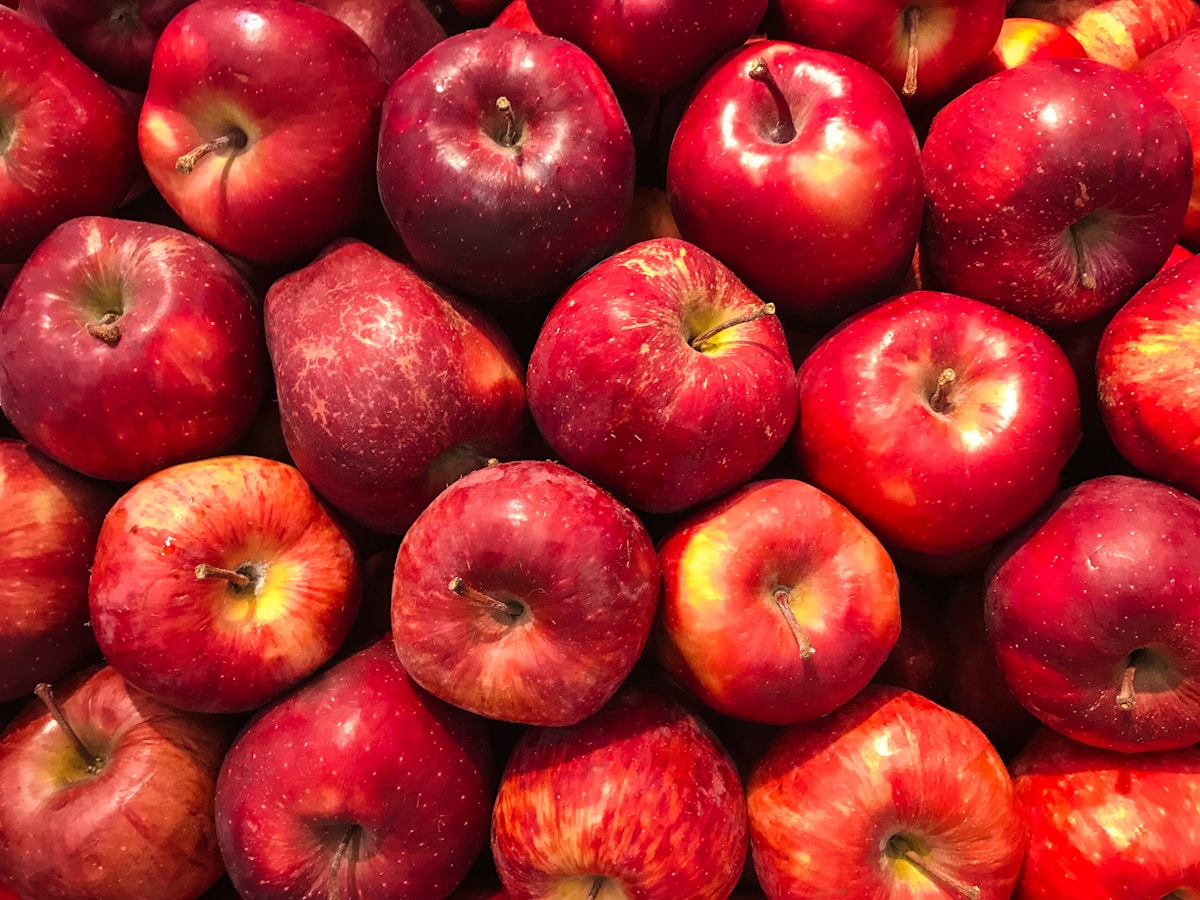
Apple season can make a kitchen feel like fall before the weather fully agrees. The first bags from the orchard or supermarket often become pies, crumbles, cakes, and lunchbox snacks, but apples are just as useful in savory meals. They add crunch, acidity, light sweetness, and freshness to dinners that might otherwise feel heavy.
Recent food coverage is already shifting toward apples, end-of-summer cooking, make-ahead dishes, and early fall comfort. That makes savory apple recipes a timely topic for home cooks: practical enough for busy nights and work lunches, but seasonal enough to feel new.
Why Apples Work So Well in Savory Food
Apples bring three things that many quick meals need: crisp texture, gentle sweetness, and acidity. A few thin slices can wake up a cheddar sandwich, balance a rich pork chop, or make a grain bowl taste fresher. They also work raw, roasted, sauteed, shredded, or simmered, so one ingredient can move across breakfast, lunch, dinner, and snacks.
For savory cooking, think about the apple's texture first. Firm apples are best when you want crunch in salads, slaws, toasties, and lunchboxes. Softer apples are better for sauces, chutney-style toppings, soups, braises, or pan juices. If an apple tastes very sweet, pair it with mustard, vinegar, lemon, sharp cheese, chilli, herbs, or bitter greens.
Choose the Right Apple for the Meal
You do not need a special variety, but it helps to match the apple to the job. Crisp, tart-sweet apples such as Granny Smith, Pink Lady, Braeburn, Honeycrisp, Jazz, or Cox-style apples hold up well in slaws and salads. Sweeter apples can be excellent with salty ingredients such as bacon, halloumi, feta, cheddar, ham, roast chicken, or peanut butter.
For cooked dishes, use apples that keep some structure if you want slices, or softer apples if you want them to melt into a sauce. Apples often pair naturally with chicken, pork, turkey, sausages, sweet potatoes, cabbage, oats, cheddar, blue cheese, walnuts, pearl barley, or baked and jacket potatoes, depending on local availability.
Fast Lunches: Salads, Sandwiches, and Bowls
Apples are one of the easiest ways to make a packed lunch feel less flat. Add matchsticks of apple to chicken salad with yoghurt, mustard, celery, and herbs. Layer thin apple slices into a cheddar and pickle sandwich. Toss diced apple with chickpeas, cucumber, parsley, lemon, olive oil, and feta for a sturdy salad that does not wilt quickly.
For bowls, start with rice, farro, barley, quinoa, couscous, or mixed greens. Add apple, something creamy, something salty, and something crunchy. Good combinations include apple with roast chicken, walnuts, and blue cheese; apple with lentils, carrots, and tahini dressing; or apple with turkey, cabbage, and mustard vinaigrette.
Easy Dinners: Sheet Pans, Saute Pans, and Toasties
For weeknight dinners, apples are happiest beside ingredients that can handle a little sweetness. Roast apple wedges with sausages, onions, cabbage, and potatoes. Add sliced apples to a sheet pan with chicken thighs, red onion, thyme, and carrots. Cook pork chops, then simmer apples in the same pan with stock, mustard, and a splash of cider vinegar.
Vegetarian dinners work too. Roast apples with squash, chickpeas, red onion, and rosemary, then finish with yoghurt or tahini. Fold sauteed apples into grilled cheese or cheese toasties with sharp cheddar. Add apple to a warm lentil salad with herbs, walnuts, and a mustardy dressing.
Five Savory Apple Meal Ideas
- Apple, cheddar, and chicken salad: shredded chicken, crisp apple, celery, yoghurt, mustard, lemon, and herbs.
- Sausage, apple, and cabbage tray bake: sausages, apple wedges, red cabbage, onion, potatoes, oil, vinegar, and thyme.
- Lentil apple bowl: cooked lentils, diced apple, carrots, greens, walnuts, parsley, and mustard vinaigrette.
- Apple and mature cheddar toastie: thin apple slices, cheddar, wholegrain mustard, and sourdough or seeded bread.
- Pork or tofu with apple pan sauce: browned protein, apples, stock, mustard, vinegar, and a little butter or olive oil.
Meal Prep Without Soggy Apples
Apples brown after cutting, but that does not mean they are difficult to prep. For salads and lunchboxes, toss slices or matchsticks with lemon juice, lime juice, or a vinaigrette. Keep wet dressings separate from greens until serving. If packing apples with cheese or cooked proteins, use a divided container when texture matters.
For hot meals, prep apples as wedges rather than tiny dice so they keep shape during roasting. Cooked apple sauces and chutney-style toppings can be made ahead and refrigerated. They are useful with leftovers: spoon them over roast chicken, tuck them into sandwiches, or stir them into grain bowls.
Food Safety and Storage Basics
Before eating or preparing apples, rinse them under cold running water and scrub the firm surface if needed. Cut away bruised or damaged areas before using. Once apples are cut, refrigerate them promptly if they are not being served right away.
Whole apples last longer when kept cool, and they can speed ripening in nearby produce because apples release ethylene. For better quality, keep apples separate from ethylene-sensitive vegetables such as broccoli or leafy greens when you are storing them for more than a quick day or two.
Conclusion
Savory apple cooking is an easy early-fall reset. Use crisp apples for salads, sandwiches, toasties, slaws, and bowls; use softer apples for sauces, tray bakes, and pan dinners. Pair them with sharp, salty, tangy, or herby ingredients, and they become more than a snack. They become one of the simplest ways to make everyday meals feel seasonal.