Summer Pesto Ideas: Easy Herb Sauces Beyond Basil
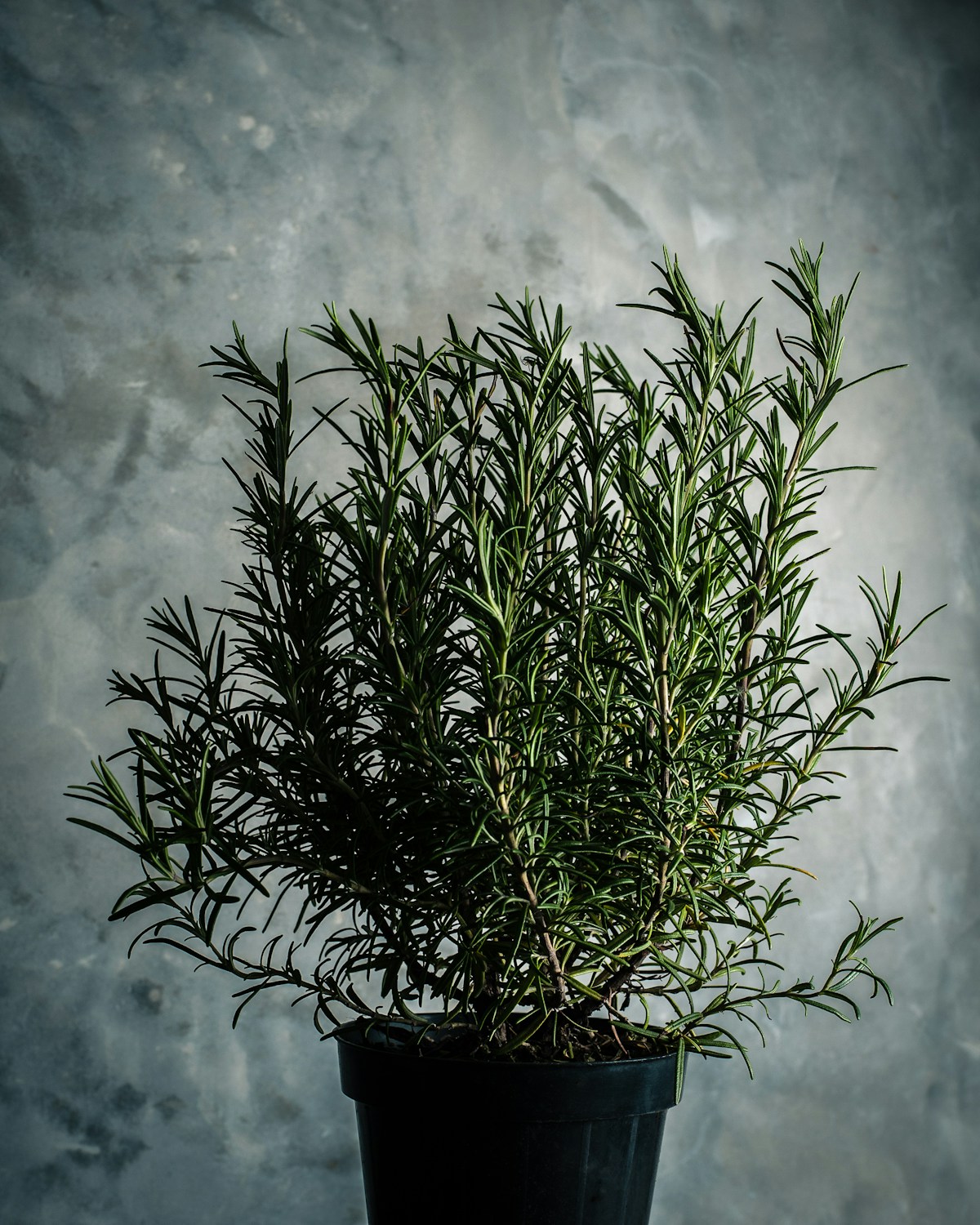
Pesto is one of the most useful summer shortcuts a home cook can make. It turns herbs, greens, nuts, cheese, oil, garlic, and lemon into a sauce that works on pasta, toast, potatoes, eggs, grains, chicken, fish, beans, and roasted vegetables. It also solves a very ordinary kitchen problem: what to do with herbs before they wilt.
Recent food coverage has been full of basil recipes, pesto upgrades, tomato-and-almond pesto, creamy pesto pasta, and quick summer meals. The trend makes sense. Pesto is fast, flexible, and easy to adapt based on what is available locally. Better still, it does not have to mean only basil and pine nuts.
Think of Pesto as a Formula
Classic pesto is usually basil, garlic, pine nuts, hard cheese, olive oil, and salt. The more useful way to think about it is green or flavorful ingredient plus fat plus texture plus acid plus seasoning. Once you understand that, pesto becomes a method rather than one recipe.
Use herbs, tender greens, tomatoes, roasted peppers, or even cooked courgette as the base. Add nuts, seeds, breadcrumbs, or beans for body. Use olive oil, rapeseed oil, avocado oil, or a mix. Finish with lemon juice, vinegar, cheese, nutritional yeast, chilli, or black pepper.
Basil Pesto, but More Flexible
Basil is still the summer classic. If you have a lot, make pesto while the leaves are fresh and fragrant. For a softer flavor, mix basil with parsley, spinach, rocket, or mint. Spinach stretches a small bunch of basil without taking over, while parsley adds brightness.
Pine nuts are delicious, but they are not required. Walnuts, almonds, cashews, sunflower seeds, pumpkin seeds, or toasted breadcrumbs can all work. Breadcrumbs are especially useful if you want a budget-friendly or nut-free version.
Tomato and Almond Pesto
Tomato-based pesto is perfect for late summer. Blend ripe tomatoes or drained sun-dried tomatoes with almonds, garlic, basil, olive oil, lemon, and a little hard cheese. The result is brighter and softer than a long-cooked tomato sauce, but more substantial than chopped raw tomatoes.
Use it with pasta, grilled chicken, fish, chickpeas, white beans, toast, or roasted aubergine. If fresh tomatoes are very juicy, drain some liquid first or add extra almonds or breadcrumbs to thicken the sauce.
Mint, Parsley, and Coriander Pestos
Mint pesto is excellent with peas, courgettes, lamb, halloumi, potatoes, and yoghurt. Parsley pesto tastes clean and versatile, especially with lemon and capers. Coriander pesto works well with lime, chilli, peanuts, rice bowls, tacos, grilled vegetables, and fish.
These versions are particularly useful when a recipe calls for a small handful of herbs and leaves you with the rest of the bunch. Instead of letting extra herbs fade in the fridge, blend them into a sauce for tomorrow.
Creamy and High-Protein Pesto Ideas
If you want pesto to feel like a complete sauce rather than a garnish, blend it with Greek yoghurt, cottage cheese, ricotta, silken tofu, or white beans. Cottage cheese and yoghurt make a creamy pasta sauce; white beans create a dairy-free sauce with body; ricotta gives a mild, fluffy texture.
Keep heat gentle when using dairy-based pesto. Toss it with warm pasta off the heat and loosen with pasta water. This keeps the sauce creamy instead of grainy.
Nut-Free and Allergy-Aware Pesto
For nut-free pesto, use sunflower seeds, pumpkin seeds, hemp seeds, toasted breadcrumbs, cooked white beans, or extra cheese for texture. Always check labels if you are cooking for someone with an allergy, because sauces, cheeses, and seed mixes can vary.
For a vegan version, skip cheese and add nutritional yeast, miso, lemon, capers, or olives for savory depth. A small amount of mustard can also help a dairy-free pesto taste more rounded.
How to Use Pesto Beyond Pasta
Pasta is obvious, but pesto is useful everywhere. Spoon it over roasted vegetables after cooking. Spread it on sandwiches or wraps. Stir it into beans, lentils, rice, couscous, or quinoa. Add a spoonful to soup, scrambled eggs, omelettes, baked potatoes, or jacket potatoes.
For a quick summer dinner, combine pesto with one protein, one vegetable, and one base. Try pesto chickpeas with toast, pesto chicken with courgettes and rice, pesto eggs with tomatoes, or pesto white beans with roasted peppers.
Storage Tips
Fresh pesto keeps best in a clean jar with a thin layer of oil on top. Refrigerate and use within a few days. For longer storage, freeze pesto in small portions. Ice cube trays, silicone moulds, or small containers make it easy to add a little sauce to future meals.
If freezing, consider leaving out the cheese and adding it after thawing. The flavor stays fresher, and you can adapt the sauce later for pasta, soup, grains, or vegetables.
A Simple Summer Pesto Plan
- One herb bunch: blend with oil, lemon, garlic, and seeds.
- Soft tomatoes: make tomato-almond pesto for pasta or toast.
- Extra spinach: blend into basil pesto to stretch it further.
- Leftover bread: toast into breadcrumbs for nut-free texture.
- Too much sauce: freeze small portions for quick dinners.
Conclusion
Summer pesto is less about following one exact recipe and more about preserving flavor while ingredients are at their best. Basil is wonderful, but mint, parsley, coriander, tomatoes, greens, seeds, breadcrumbs, beans, yoghurt, and cheese can all become useful sauces.
Make one jar, use it in several ways, and let it rescue herbs, vegetables, grains, proteins, and leftovers all week.